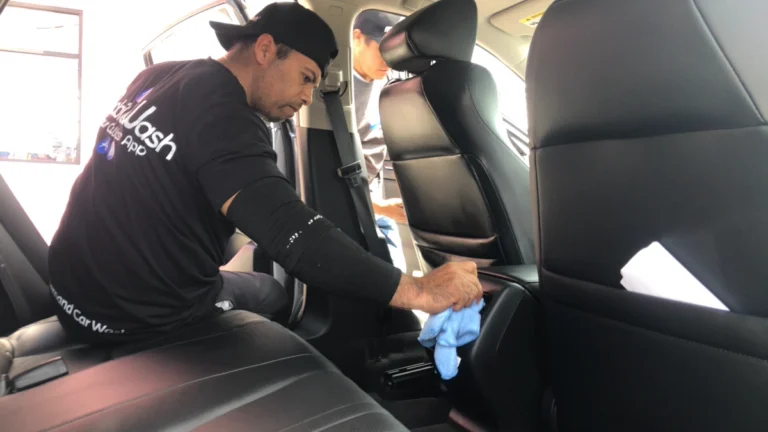
How to Clean Leather Car Seats: 4 Steps for Daily Drivers
Updated October 22, 2026
Quick fit: Knowing how to clean leather car seats on daily drivers requires vacuuming debris, agitating pH-neutral foam with a soft horsehair brush, and wiping dry with microfiber. Avoid soaking perforated cooling vents. Finish by applying a dedicated matte synthetic leather conditioner to restore factory flex without greasy silicone residue.
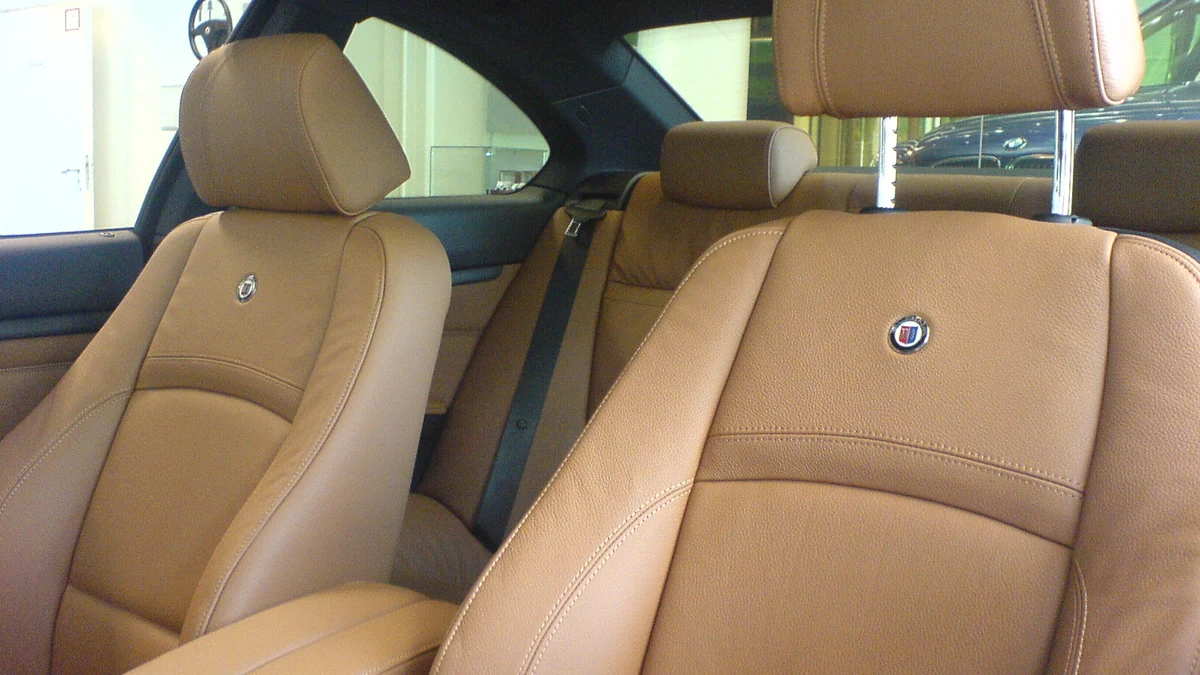
- Topcoat finish verification: Modern vehicle leather is sealed with a protective polyurethane topcoat; always clean with pH-neutral solutions rather than aggressive solvents or raw hide oils.
- Perforation moisture control: Apply foaming cleaner directly to your brush rather than spraying liquid onto perforated seat cooling holes to protect seat heaters and foam padding.
- Agitation tool selection: Use natural horsehair detailing brushes to lift dirt from leather grain crevices without scratching delicate dye finishes.
- Matte protective conditioning: Apply non-silicone UV blocking conditioners every 3 to 6 months to preserve leather elasticity and prevent bolster cracking.
what supplies and chemicals do you need for leather seats?
Maintaining vehicle leather requires understanding how automotive upholstery differs from household leather goods. Over 95 percent of modern vehicles use chrome-tanned leather protected by a thin, flexible polyurethane clear coat. Knowing how to clean leather car seats means cleaning this topcoat finish rather than treating raw animal hide. Using the wrong products strips this clear layer and accelerates bolster cracking.
Gather dedicated detailing tools before you begin cleaning. Harsh household cleaners and stiff nylon scrub brushes cause micro-abrasions on leather bolsters. High-quality tools maximize cleaning efficiency while safeguarding delicate clear coats.
| Supply / Chemical | Recommended Type | Safety Function | Products to Avoid |
|---|---|---|---|
| Dedicated Leather Cleaner | pH-Neutral Foaming Solution | Lifts body oils without stripping clear coat | Dish soap, all-purpose cleaners, bleach |
| Agitation Brush | Natural Horsehair Detailing Brush | Gently cleans grain textures without scratching | Stiff nylon brushes, abrasive sponges |
| Wiping Towels | 350+ GSM Edgeless Microfiber | Traps suspended dirt and lifts residual moisture | Rough bath towels, paper towels |
| Leather Conditioner | Matte Synthetic UV Protectant | Restores flex and shields against sun fade | Oily silicone glazes, heavy animal fats |
Equipping your garage with dedicated products ensures every seat treatment delivers predictable results. A well-maintained leather interior preserves vehicle value and provides a refined driving environment for years.
how to clean leather car seats: four-step detailing method
Achieving showroom-quality results on a daily driver requires a systematic step-by-step cleaning approach. Rushing through the process or using excess liquid causes grime to settle deeper into seat seams.
Work on one seat panel at a time. Breaking the job into manageable sections ensures that cleaning chemicals do not dry prematurely on the leather surface.
- Step 1: Thorough dry extraction: Vacuum the entire seat thoroughly using a soft brush attachment, paying special attention to side bolster seams and bottom cushion crevices where grit collects.
- Step 2: Controlled foam application: Dispense a rich foam leather car seat cleaner onto your horsehair brush rather than spraying liquid directly onto the seat face.
- Step 3: Circular grain agitation: Gently massage the foam into the leather grain using light circular motions, allowing the active surfactants to lift embedded body oils and road dirt.
- Step 4: Immediate microfiber wipe: Wipe away suspended grime immediately using a clean microfiber towel before the solution dries, then dry with a second clean towel.
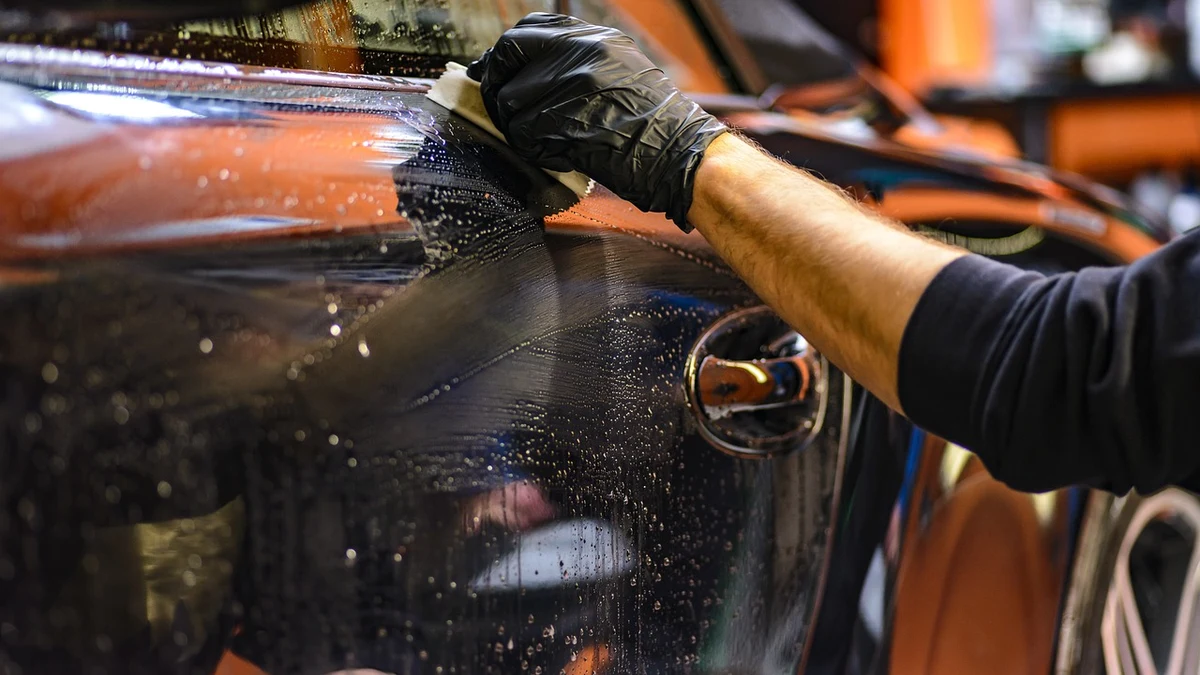
Inspect the leather under direct LED lighting after wiping. A clean leather seat features a flat, smooth, matte sheen. If certain sections still look shiny or greasy, repeat the foaming agitation on those specific spots to remove lingering oil deposits.
how does clear topcoat chemistry affect leather cleaner selection?
Automotive seat manufacturing uses specialized finishing chemistry to protect upholstery against daily abrasion, temperature extremes, and solar heat. Understanding this construction helps you make informed product choices.
The water drop test confirms your seat construction instantly. Place a single drop of water on a flat section of your seat. On top-coated automotive leather, the water bead rests on the surface without soaking in. Because the clear polyurethane film seals the hide, heavy conditioning oils (such as neatfoot oil or mink oil) cannot penetrate. These heavy oils remain trapped on the surface, attracting atmospheric dust and creating an uncomfortable, slick surface.
Chemical pH balance is equally critical. High-alkaline degreasers and household detergents break down the crosslinking polymers in automotive clear coats. Once this protective layer erodes, the underlying color dye wears away rapidly, leaving exposed grey suede patches on high-wear entry bolsters. Always choose dedicated cleaners formulated specifically for modern automotive finishes. If your vehicle features mixed fabric seating, explore our guide to cleaning cloth car seats for specialized fabric protocols.
how do you clean perforated and ventilated leather seats safely?
Perforated seats present a unique detailing challenge. Modern luxury and touring vehicles incorporate hundreds of small laser-cut holes across the center seat inserts to facilitate climate-controlled airflow.
Liquid saturation is the main hazard when cleaning perforated seats. If liquid cleaner is sprayed directly onto perforated panels, it drains through the holes and soaks the underlying foam padding and electrical heating grids. Moisture trapped inside seat foam promotes mold growth and can trigger electrical shorts in seat sensor circuits.
Always use a foaming pump bottle when working on ventilated seats. Foaming pumps aerate the cleaning solution into a thick, dry shaving cream consistency. Work the dry lather across the surface using light brush pressure. The foam lifts surface grease from the leather face without weeping liquid down into the ventilation holes. Wipe the panel immediately with a dry plush microfiber towel to collect all foam residue.
how to condition leather car seats for a natural matte finish
Once your seats are thoroughly clean and dry, the final step is learning how to condition leather car seats to maintain flexibility and protect against solar degradation. Sun exposure and interior cabin heat bake leather upholstery, evaporating moisture and causing topcoats to become brittle over time.
Apply a thin, even coat of water-based leather conditioner using a microfiber applicator pad. Work the product gently across each panel, following the natural seam lines. High-quality conditioners contain specialized UV blockers and synthetic polymers that reinforce the polyurethane topcoat without altering the natural leather texture.
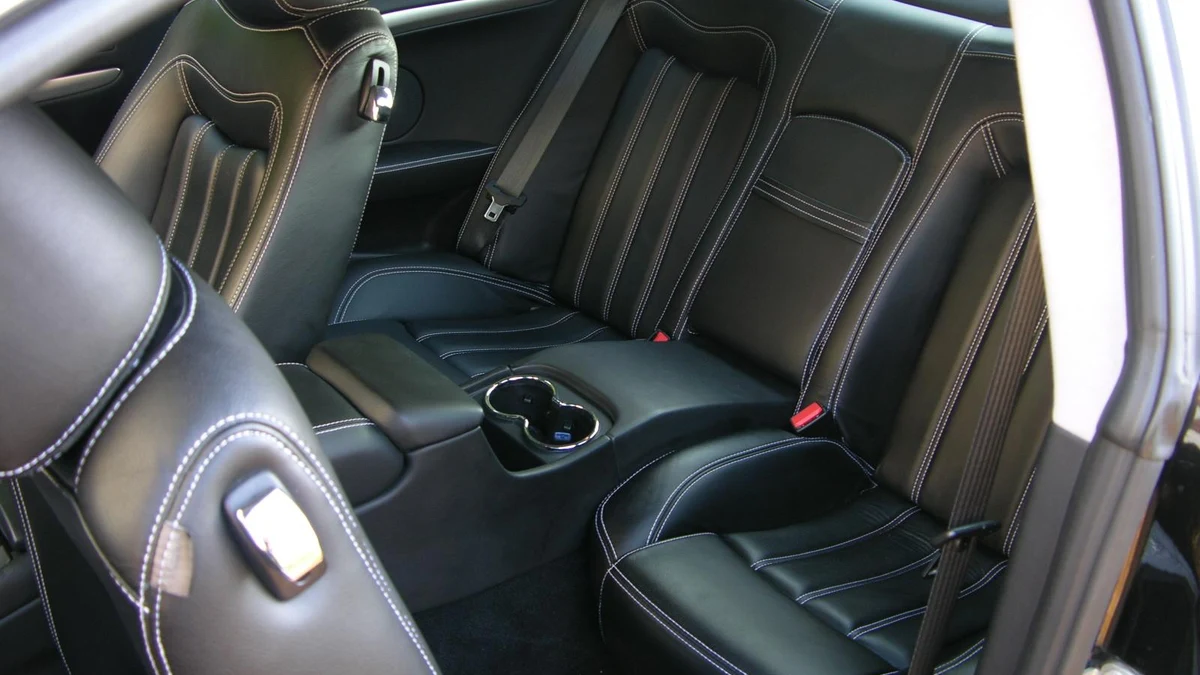
Allow the conditioner to bond with the surface for 15 to 20 minutes. After the dwell period, buff the entire seat with a clean, dry microfiber towel to remove any excess product. The finished seats should feel soft, supple, and non-tacky, displaying an authentic matte sheen that complements your overall cabin color story. For more comprehensive detailing insights, check out our interior care archive.
what it means for your daily driver build
Regular leather maintenance preserves the tactile luxury, aroma, and visual appeal of your vehicle interior. Treating your seats every 3 to 6 months prevents premature bolster wear and eliminates the shiny, greasy buildup that plagues neglected cabins.
Always measure product amounts carefully, maintain proper moisture control on perforated inserts, and protect each seat panel with dedicated UV conditioners. Consistent, gentle care keeps your daily driver looking sharp and comfortable on every journey.
How we researched this: Leather topcoat chemistry and pH-neutral formulation tolerances were benchmarked against automotive manufacturer material specifications and detailing industry test procedures as of October 2026. AI drafted the initial layout; Theo Marchetti tested and confirmed every brush technique, foam ratio, and conditioning step.
leather seat care questions
Can you use dish soap or laundry detergent on leather car seats?
No, dish soap and laundry detergents have high alkaline pH levels designed to strip grease, which breaks down the clear polyurethane topcoat on automotive leather and leads to premature cracking.
How often should you clean and condition leather car seats?
For daily drivers, perform a light wipe-down every 2 to 4 weeks, and complete a thorough deep cleaning and conditioning treatment every 3 to 6 months to maintain leather suppleness.
Why do clean leather car seats look matte instead of glossy?
Factory leather is designed with a natural matte sheen. Glossy or shiny seats indicate a buildup of body oils, dirt, and silicone residues that require deep cleaning to restore the original matte texture.
How do you prevent leather seat bolsters from creasing and cracking?
Condition the bolsters regularly with a UV-blocking protectant, minimize abrasive sliding when entering and exiting the vehicle, and keep the leather free of abrasive dirt particles that accelerate surface wear.