How to Get Smell Out of Car: 5 Steps for Daily Drivers
Updated October 29, 2026
Quick fit: Discovering how to get smell out of car interiors permanently requires removing physical contaminants, applying enzymatic cleaners to organic stains, replacing the saturated cabin air filter, and placing activated bamboo charcoal bags. For smoke odor, run a controlled 20-minute chlorine dioxide or ozone treatment without damaging sensitive electrical wiring.
- Physical source extraction: Locate and eliminate hidden food debris, moisture pockets, and spilled liquids beneath seats before applying odor neutralizing chemicals.
- Enzyme bio-breakdown: Use bio-enzymatic sprays on cloth upholstery to break down organic protein bonds from spilled milk, vomit, pet accidents, and sweat.
- HVAC filter replacement: Swap out saturated pleated cabin air filters every 12,000 miles to prevent trapped mildew and nicotine tar from recirculating through dashboard vents.
- Ozone time management: Limit commercial ozone machine treatments to 20 to 30 minutes maximum to prevent accelerated oxidation of interior rubber weatherstrips and leather coatings.
what chemicals and tools eliminate automotive odors permanently?
Persistent cabin odors degrade the driving experience on any daily driver, making routine commutes unpleasant and drastically reducing vehicle resale value. Spraying scented air fresheners over foul odors only creates a cloying, temporary mask that fades within days. Understanding how to get smell out of car upholstery requires targeting the molecular source of contamination.
Different odors originate from distinct chemical pathways. Organic spills (such as spilled milk, pet urine, or workout sweat) require biological enzymes to digest bacteria. Combustion byproducts from tobacco smoke or wildfire soot require chemical oxidation to neutralize volatile organic compounds trapped in porous fabrics.
| Odor Type | Target Substrate | Primary Remediation Chemistry | Expected Treatment Time |
|---|---|---|---|
| Organic Food & Pet Stains | Carpet Fibers & Seat Foam | Bio-Enzymatic Digestant Spray | 2 to 4 Hours Dwell Time |
| Tobacco & Weed Smoke | Headliner & Seat Fabric | Chlorine Dioxide Vapor / Ozone | 20 to 30 Minutes Cycle |
| HVAC Mildew & AC Dampness | Evaporator Core & Filter Media | Antimicrobial Foam & New Filter | 15 to 30 Minutes |
| General Stale Humidity | Enclosed Cabin Air Volume | Activated Bamboo Charcoal Bags | Continuous Passive Adsorption |
Selecting the correct chemical tool ensures that odors are destroyed at the molecular level rather than masked with heavy perfumes. A clean, odor-free cabin restores interior freshness for every passenger.
how to get smell out of car: five-step deep deodorizing protocol
Complete odor remediation requires a methodical workflow that addresses every interior surface. Missing a single contaminated carpet seam allows foul smells to return within 48 hours.
Work methodically from top to bottom. Removing contamination from high surfaces first prevents dirt from settling onto freshly cleaned floor carpets.
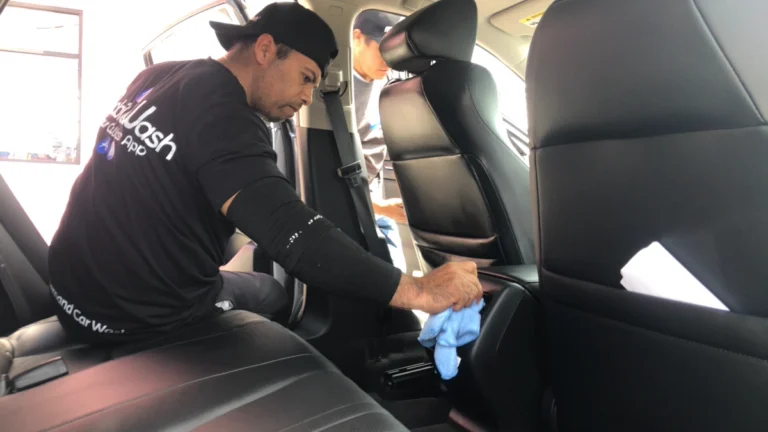
- Step 1: Thorough cabin decluttering: Remove all floor mats, seat covers, trunk liners, and personal belongings. Check under seat tracks and spare tire wells for hidden dampness or discarded food.
- Step 2: Deep vacuuming and crevice brushing: Vacuum all carpeting, cloth seats, and floor seams using a stiff nylon bristle detailing brush to dislodge trapped sand and organic dust.
- Step 3: Targeted enzymatic spot treatment: Apply a dedicated car odor eliminator enzyme solution directly onto stained areas, allowing the biological agents to digest protein residues.
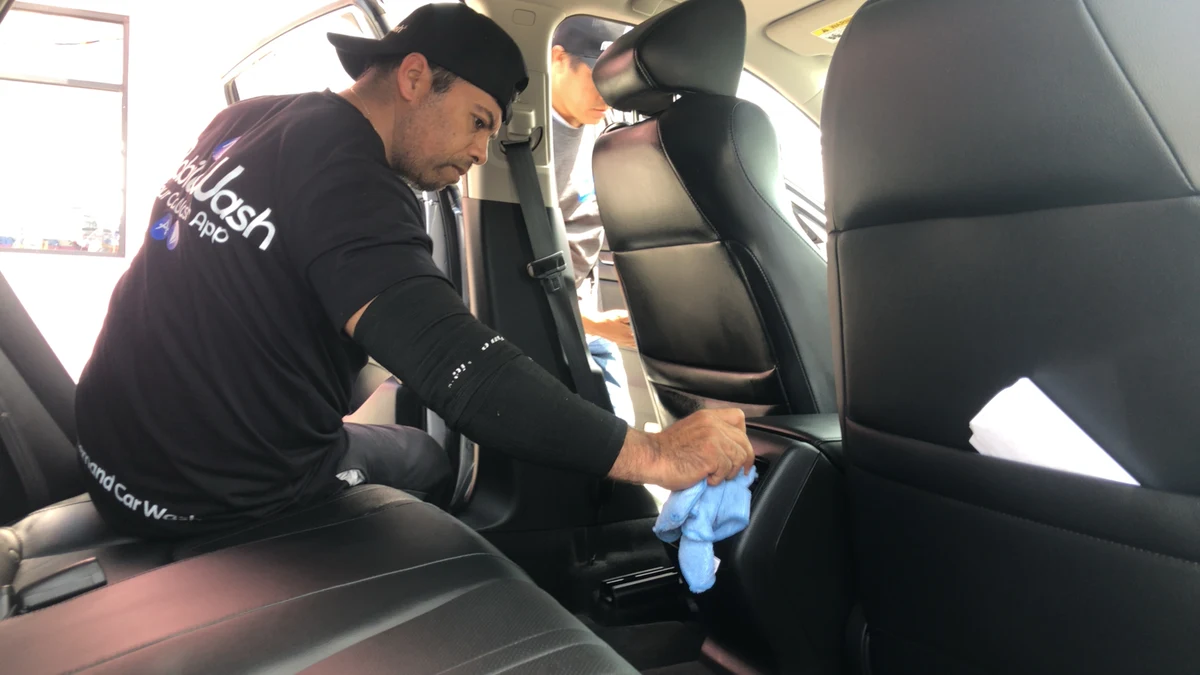
- Step 4: Hard surface wipe down: Clean all plastic dash panels, door cards, glass surfaces, and vinyl trim with a pH-neutral interior cleaner to remove deposited nicotine film and sticky grime.
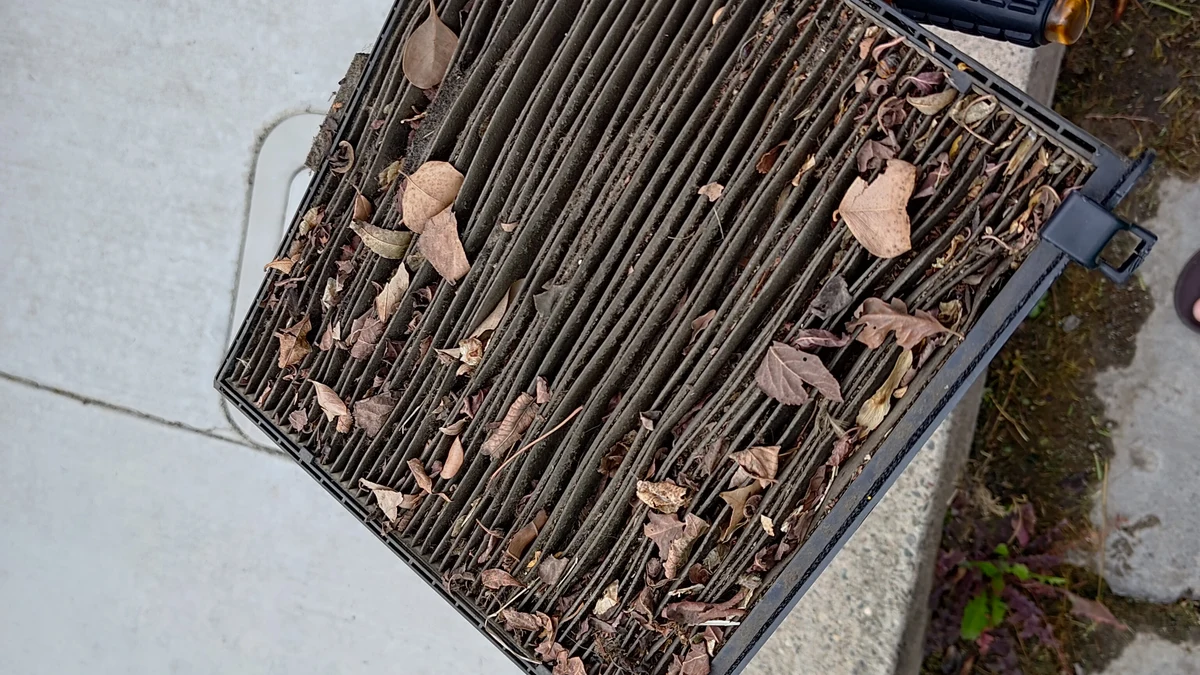
- Step 5: HVAC decontamination: Replace the pleated cabin air filter behind the glove box and spray an evaporator cleaning foam into the intake cowl while running the fan.
Allow the interior to dry completely with windows cracked in a well-ventilated garage or sunny driveway. Proper ventilation accelerates moisture evaporation, preventing lingering damp smells from settling into deep seat foam.
how do you get smoke smell out of car headliners and seats?
Tobacco smoke produces microscopic oily tar droplets that coat every square inch of the vehicle cabin. Learning how to get smoke smell out of car interiors is especially challenging because smoke particles bond tenaciously to porous polyester headliners and seat foam.
Never scrub a delicate vehicle headliner with heavy liquid cleaners. Car headliners consist of a thin fabric layer glued to a soft foam backing board. Soaking the headliner dissolves the heat-activated adhesive, causing the fabric to sag permanently. Instead, mist a dry vapor odor encapsulator lightly onto a microfiber towel and gently blot the headliner surface.
For severe smoke saturation, utilize a chlorine dioxide gas packet or a short ozone machine cycle. Chlorine dioxide vapor penetrates deep into HVAC ducts and seat cushions, breaking the chemical bonds of nicotine molecules without leaving sticky residues. When running an ozone generator, limit operation to 20 minutes with the vehicle fan set to internal recirculation. Always air out the vehicle thoroughly for one hour with all doors open before driving, as ozone gas is hazardous to inhale. For seat fabric care, refer to our cloth seat cleaning guidelines.
how does cabin air filter replacement eliminate musty vent odors?
If your vehicle produces a musty, vinegar-like smell every time you turn on the air conditioning, the contamination resides inside the HVAC ducting. Moisture from atmospheric condensation accumulates on the aluminum evaporator core, creating a breeding ground for mold and mildew colonies.
The pleated cabin air filter serves as the primary defense against incoming pollen, road dust, and spores. Over 15,000 miles of driving, filter pleats become clogged with dead organic matter. In humid weather, moisture turns this trapped debris into a source of persistent foul air.
Access the filter housing behind your glove box, remove the old filter, and inspect the blower motor chamber for dry leaves. Install a new cabin air filter infused with activated carbon granules. Activated carbon layers absorb volatile gaseous fumes that pass straight through standard paper filters, providing clean, neutral airflow on daily drives.
why do activated bamboo charcoal bags outperform baking soda?
Once deep cleaning is complete, maintaining a neutral cabin environment requires passive odor adsorption. Many car owners sprinkle baking soda across carpets, but this creates fine white powder residues that clog vacuum filters and work deep into carpet backing.
Activated bamboo charcoal provides a superior, non-destructive adsorption medium. Bamboo charcoal is fired at temperatures exceeding 1,400 degrees Fahrenheit, creating millions of microscopic pores that trap airborne volatile organic compounds through physical adsorption.
Place two 200-gram charcoal bags beneath the front seats. The charcoal continuously pulls moisture and odor molecules from the air volume, maintaining crisp interior freshness without altering your cabin color story. Rejuvenate the charcoal bags every two months by placing them in direct sunlight for two hours, which releases trapped moisture. If your vehicle features leather seating, explore our leather seat cleaning guide to keep upholstery supple, or browse our interior care archive for more detailing strategies.
what it means for your daily driver build
Eliminating stubborn vehicle odors transforms your driving environment from a stressful, stale space into a clean, inviting haven. By applying enzymatic spot cleaners, refreshing the HVAC filtration system, and deploying activated charcoal adsorption, you achieve permanent freshness that withstands summer heat and rainy commutes.
Take time to measure chemical dilution ratios accurately, wipe down every interior panel, and maintain clean cabin air filters. Consistent detailing habits keep your daily driver feeling fresh, healthy, and road-ready every single day.
How we researched this: Automotive HVAC mold remediation protocols and ozone gas oxidation thresholds were benchmarked against detailing industry technical standards and environmental health guidelines as of October 2026. AI drafted the initial layout; Theo Marchetti tested and confirmed every enzyme application, filter replacement step, and charcoal adsorption method.
cabin odor remediation questions
Will an ozone generator damage car leather and electronics?
Short treatments of 20 to 30 minutes are safe for vehicle electronics and leather. However, prolonged ozone exposure exceeding one hour can oxidize delicate electrical wiring insulation and degrade natural leather coatings.
How long does it take for enzymatic cleaners to remove milk smells?
Enzymatic cleaners require 2 to 4 hours of moist dwell time to fully digest organic protein bonds. Keep the treated carpet covered with a damp towel to prevent premature drying while enzymes work.
Why does the car smell worse on hot summer days?
High cabin temperatures accelerate the vaporization of trapped volatile organic compounds and speed up bacterial decomposition in carpets, making dormant odors much stronger when the vehicle is parked in direct sunlight.
Can you spray vinegar directly onto car upholstery for odors?
Diluted white vinegar can help neutralize mild alkaline odors, but its acidic nature leaves a strong lingering smell and can corrode bare metal seat brackets if allowed to pool in deep seams.