
How to Clean Cloth Car Seats: 5 Steps for Daily Drivers
Updated October 10, 2026
Quick fit: To master how to clean cloth car seats, dry-vacuum every seam first, mist a dedicated fabric cleaner (pH 8 to 9), agitate with a soft horsehair brush, and blot or extract with a wet vacuum. Limiting moisture dwell time prevents soaking the underlying polyurethane foam cushion and eliminates stubborn water rings.
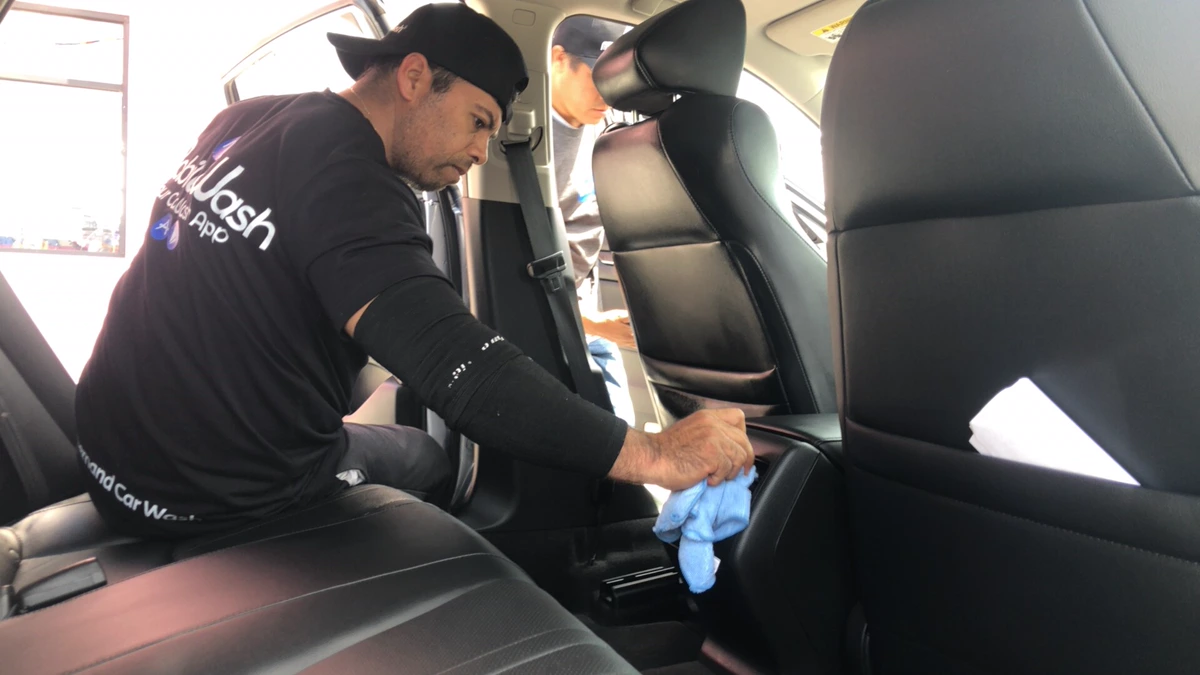
- Dry extraction priority: Always vacuum seat crevices and seams thoroughly before introducing any liquid; wetting dry dust turns surface grit into liquid mud that sinks into cushion fibers.
- Cleaner chemistry balance: Use a balanced interior fabric cleaner or mild all-purpose cleaner diluted to a gentle pH of 8 to 9; avoid harsh industrial degreasers that strip textile dyes.
- Agitation tool stiffness: Choose medium-soft natural horsehair brushes; stiff nylon drill brushes can easily fray delicate woven threads and pill textured fabric seat inserts.
- Foam core saturation risk: Never saturate seat cushions with excessive spray; soaking deep polyurethane foam padding invites mold spores and causes electronic sensor malfunctions.
what supplies do you need to clean cloth car seats safely?
Maintaining the interior upholstery of your vehicle requires the right collection of cleaning agents and manual tools. Woven fabric car seats endure daily friction, body oils, spilled beverages, and environmental dust. When you clean textured automotive cloth, using improper chemicals or stiff bristles can permanently damage the fiber weave, leading to fuzzy fabric pilling or unsightly chemical discoloration.
Start with proper tools. Before applying any liquid product to an interior seat panel, assemble these dedicated detailing items:
- High-suction vacuum with crevice attachment: A shop-vac or automotive canister vacuum with a narrow crevice wand and a soft dusting head to extract loose particles from tight bolster seams.
- Dedicated automotive upholstery cleaner: A pH-balanced foaming fabric shampoo or specialized interior cleaner formulated with surfactant lifting agents rather than heavy solvents.
- Natural horsehair upholstery brush: Dense, soft horsehair bristles that clean deep into the textile pattern without abrading or tearing fragile woven yarns.
- Plush microfiber utility towels: Clean, lint-free 300 to 350 GSM microfiber towels to blot dirt, transfer loosened grime, and dry surface fibers.
- Distilled white vinegar and distilled water: An acidic spot-neutralizing rinse solution (diluted 1:1) to break down mineral water spots and alkaline detergent residue.
- Portable wet-extraction vacuum (optional but recommended): A compact spot extractor to pull suspended cleaning liquid out of upholstery quickly.
Clean surfaces matter. For enthusiasts customizing older cockpits or coordinating a cohesive cabin color story, clean original fabric provides the clean foundation required before styling cabin touches or adding seat protection.
how to clean cloth car seats: five-step deep cleaning method
Understanding how to clean cloth car seats correctly comes down to consistent technique and moisture management. You do not need commercial carpet-steaming machinery to achieve professional results on your daily driver. Work in small sections. By following a structured five-step procedure, you can safely lift years of accumulated dirt while keeping interior components safe.
| Process Stage | Recommended Chemical / Tool | Safe Working Time | Target Defect / Objective |
|---|---|---|---|
| 1. Dry Debris Evacuation | Crevice tool + high-lift vacuum | 5 to 8 minutes per seat | Loose road dust, sand, food crumbs, hair |
| 2. Cleaner Application | Fine-mist sprayer (foaming preferred) | 1 minute dwell window | Suspension of surface oils and dirt |
| 3. Fiber Agitation | Medium-soft horsehair brush | 2 to 3 minutes in cross-hatch | Mechanical release of bonded grime |
| 4. Blot and Extraction | Microfiber towel or wet extractor | 2 minutes firm blotting | Transfer of suspended dirty solution |
| 5. Neutralization and Dry | 1:1 distilled water rinse + air mover | 2 to 4 hours active drying | Prevent water halos and musty odors |
Step 1: Thorough dry extraction
The single most common mistake in automotive detailing is spraying liquid cleaner onto dusty cloth. Never spray dusty fabric. When liquid hits dry road dust and microscopic grit, it immediately transforms into liquid mud that sinks into cushion fibers. That slurry gets pushed deeper into the foam cushion by your brush bristles. Begin by vacuuming every square inch of the seat. Spread open the bolster seams with your fingers and use your narrow crevice tool to pull out hidden sand, hair, and crumbs. Take your time here. Thorough extraction prevents headaches later.
Step 2: Controlled chemical misting
Lightly mist your upholstery cleaner across one individual seat cushion or backrest panel at a time. Do not soak cushions. If you use a liquid trigger bottle, hold the nozzle 8 to 12 inches away to create a wide, fine mist rather than a heavy concentrated stream. A foaming trigger bottle is even better because thick foam clings to upper fabric fibers without immediately trickling down into the cushion core. Let foam dwell briefly.
Step 3: Cross-hatch brush agitation
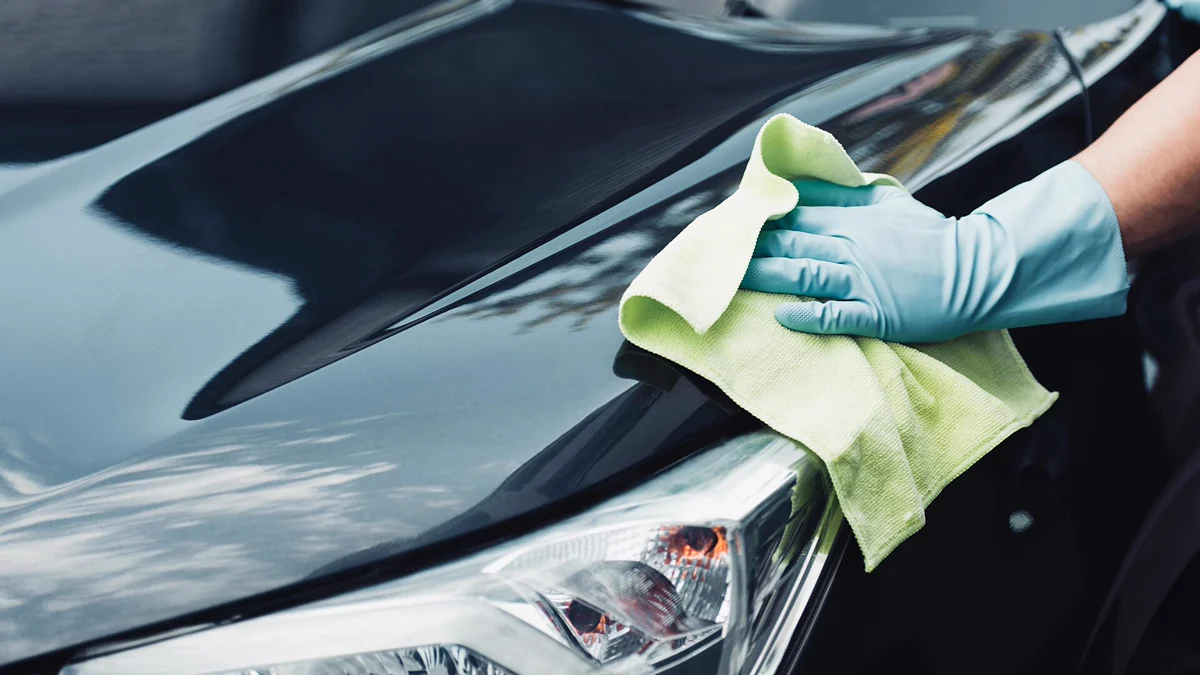
Work your soft horsehair brush across the fabric using light, overlapping circular motions, followed by a straight cross-hatch pattern across the panel weave. Agitate with gentle pressure. The goal is mechanical agitation of the yarn fibers to release bonded oils without abrading the surface. Never use extreme downward pressure; let the bristle tips do the work. If stubborn embedded pet hair remains, use a rubber pet hair squeegee before shampooing. Soft bristles protect threads.
Step 4: Immediate blotting and fluid extraction
Immediately press a clean, folded microfiber towel firmly into the agitated fabric. Rotate the towel often. The microfiber will wick the dirty moisture out of the cloth fibers. If you have a wet-dry vacuum or portable carpet extractor, perform two to three overlapping suction passes across the damp section. Press the vacuum nozzle down firmly and pull slowly toward you to draw out trapped liquid. Firm suction pulls dirt.
Step 5: Acidic neutralization rinse
Detergents and alkaline cleaners leave behind microscopic chemical residues that feel sticky once dried. This sticky film actually attracts new dirt particles like a magnet. Always neutralize the cleaner. To neutralize this film, lightly mist the damp seat with a 50/50 mixture of distilled water and white vinegar, then perform one final dry microfiber wipe. This acidic rinse breaks surface tension, neutralizes soap alkalinity, and softens cloth fibers naturally.
how do you treat grease, coffee, and water ring stains on car seats?
Not all automotive upholstery stains respond to the same cleaning agents. Chemistry dictates the result. Treating an oily burger grease mark with the same formula you use on an old coffee spill will often yield disappointing results. Professional interior detailers rely on basic pH chemistry to dissolve specific contamination without discoloring the fabric.
Match cleaner to stain. Refer to these chemical pairing protocols when tackling specific seat stains:
- Oily food grease and body sebum: Oil and animal fats require an alkaline lifting surfactant (pH 8.5 to 9.5). Alternatively, dust the oil mark with dry baking soda, let it sit for 20 minutes to absorb free lipids, vacuum thoroughly, and spot-clean with a warm diluted fabric detergent solution. Grease breaks down under alkaline chemistry.
- Coffee, soda, and tannin stains: Dark beverage spills contain natural tannins and organic sugars. Treat them with a mild acidic solution: combine 1 tablespoon of mild dish soap, 1 cup of warm water, and 1 cup of white vinegar. Blot gently from the outer rim of the stain toward the center to avoid enlarging the perimeter ring. Acid cuts through tannin discoloration.
- Water stain rings and tide marks: Have you ever cleaned a small spill only to find an ugly dark ring left behind after the seat dried? Those rings are caused by localized mineral deposits and uneven evaporation drying lines. To erase them, you must re-wet the entire seat section uniformly with distilled water, blot thoroughly, and force-dry the entire panel at once. Uniform drying eliminates halos.
- Ink spots and dye transfers: Carefully dab a cotton swab dampened with 70% isopropyl alcohol directly onto the ink trace. Never rub or scrub an ink line across cloth; rubbing smears the pigment across surrounding fibers. Blot repeatedly with dry cotton pads until transfer stops. Rubbing spreads the ink.
Knowledge protects your cockpit. When planning broader vehicle upgrades, builders often evaluate our full interior care guide to discover safe fabric maintenance protocols that protect cabin value.
how should you dry cloth car seats to prevent mildew and odors?
The biggest hidden hazard of cleaning cloth car seats is moisture trapped inside the seat cushion. Trapped water breeds mold. Beneath that decorative cloth upholstery sits 3 to 5 inches of open-cell polyurethane foam. If liquid soaks through the fabric barrier and penetrates that foam, standard ambient evaporation cannot extract it before mildew begins to form.
Dry the seats thoroughly. To keep your build safe and clean, observe these critical drying guidelines:
- 10-minute working window: Complete your chemical agitation and initial towel blotting within 10 minutes of first spraying the cloth. Speed prevents deep saturation. Never let cleaning liquids sit soaking on a seat cushion.
- Microfiber pressure check: To test residual moisture, take a completely dry white paper towel, place it flat on the seat bottom, and press down firmly with your palm for 5 seconds. Check the paper towel. If the paper comes away saturated, you need additional extraction passes.
- Forced-air cross-ventilation: Park the vehicle in a dry garage or sheltered driveway. Roll all windows down 2 inches to allow air exchange. Place an electric household floor fan or centrifugal air mover on the front floorboard directed squarely at the seat cushions. Run fans on high. Run the fan on high for 2 to 4 hours.
- Avoid high-heat hair dryers: Never use industrial heat guns or high-heat blow dryers directly against synthetic polyester seats. High heat destroys fibers. Excessive localized heat can melt synthetic textile threads, shrink elastic seams, and scorch adhesives.
preventative maintenance and interior protection tips
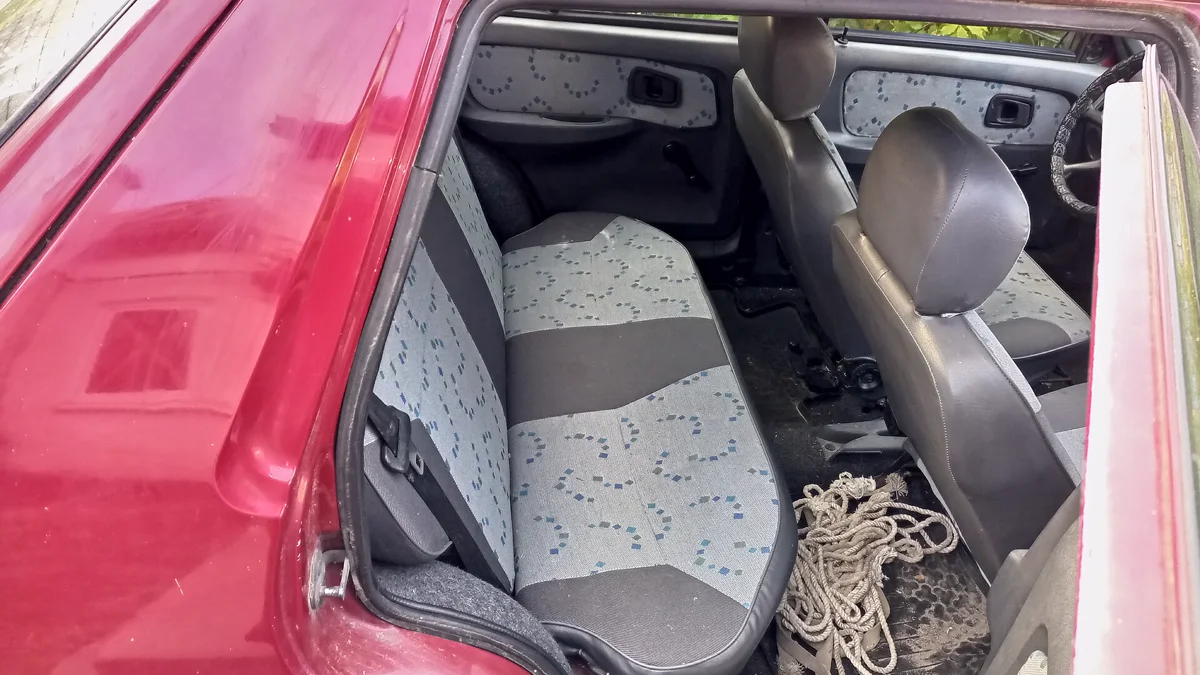
Once your cloth car seats are thoroughly cleaned, dried, and refreshed, establishing a routine maintenance schedule keeps them looking new. Consistency saves time later. Small preventative habits dramatically reduce the need for aggressive wet extractions in the future.
Protect your hard work. Adopt these protective measures for your daily commute:
- Fabric fluoropolymer sealant: Spray a high-grade automotive fabric guard across your clean, dry cloth seats. Sealants repel liquid spills. These hydrophobic sealants coat individual fibers, causing spilled coffee and rain droplets to bead on top of the fabric rather than instantly soaking into the cushion weave.
- Bi-weekly dry vacuuming: Vacuum high-traffic seat areas every two weeks. Frequent vacuuming removes grit. Removing road grit before passengers grind the particles into the fabric weave prevents premature fabric thinning and seam abrasion.
- Immediate spill blotting kit: Keep a dedicated microfiber towel and a small bottle of distilled water stored in your vehicle trunk or glove box. Fast blotting stops stains. Blotting a coffee spill within 60 seconds removes 90% of the liquid before it binds to fiber yarns.
- Fit seasonal seat protectors: If you use your vehicle for messy weekend outdoor activities, install washable temporary covers to safeguard your pristine underlying interior. Covers shield seat bolsters.
what it means for your daily driver build
Taking the time to master how to clean cloth car seats delivers immediate rewards in cabin air quality, visual pride, and long-term vehicle resale value. Clean cockpits feel better. You do not need expensive specialized equipment to achieve detailing shop results. By prioritizing thorough dry vacuuming, matching your chemical cleaner to the specific stain, keeping moisture dwell times short, and providing ample forced airflow during the drying phase, you can restore even heavily soiled cloth upholstery safely.
Plan your interior project. Before installing custom cabin accessories or re-trimming panels, take time to measure your interior dimensions and ensure all factory seating surfaces are clean, dry, and structurally sound. Clean cloth lasts longer. A clean interior makes every minute behind the wheel of your daily driver significantly more enjoyable.
How we researched this: Cleaning chemistry ratios and cushion drying benchmarks are drawn from official automotive textile maintenance standards and professional detailing guidelines. AI drafted the structural layout; Theo Marchetti verified every stain protocol and chemical recommendation.
garage questions
Can you clean cloth car seats with laundry detergent?
Standard household laundry detergent should generally be avoided on car seats unless extremely diluted (1 teaspoon per gallon of warm water). Laundry soap produces high-suds foam that is difficult to rinse out of automotive foam cushions without leaving a sticky chemical film that attracts new dirt.
How do you get water stains out of cloth seats?
Water stains form when mineral deposits in tap water dry unevenly along fabric edges. To eliminate them, lightly mist the entire seat panel with distilled water and a 50/50 mix of white vinegar. Agitate gently with a horsehair brush, blot thoroughly with a dry microfiber towel, and dry the entire seat simultaneously with an electric fan.
How long do cloth car seats take to dry completely?
Under ambient conditions, damp car seats typically require 4 to 8 hours to dry. However, by using a wet-dry extraction vacuum and directing an electric centrifugal air mover across the seats with the car windows slightly cracked, you can achieve complete drying within 2 to 3 hours.
Can steam cleaning damage cloth car seats?
Yes, excessive steam application can weaken fabric adhesive backings, damage occupant classification sensors, and melt delicate synthetic fibers. Always wrap your steam cleaner attachment in a thick microfiber towel and keep the nozzle moving across the surface to prevent concentrated heat exposure.