Car Seat Covers for Leather Seats: 5 Protection Rules
Updated November 4, 2026
Quick fit: Installing car seat covers for leather seats on daily drivers requires choosing food-grade silicone micro-dot backings, verifying 3mm open-cell foam for heated seat conduction, and anchoring center chucks securely. Avoid rubberized PVC backings that leach plasticizers, and ensure crock-tested dye fastness to prevent color transfer onto light leather upholstery.
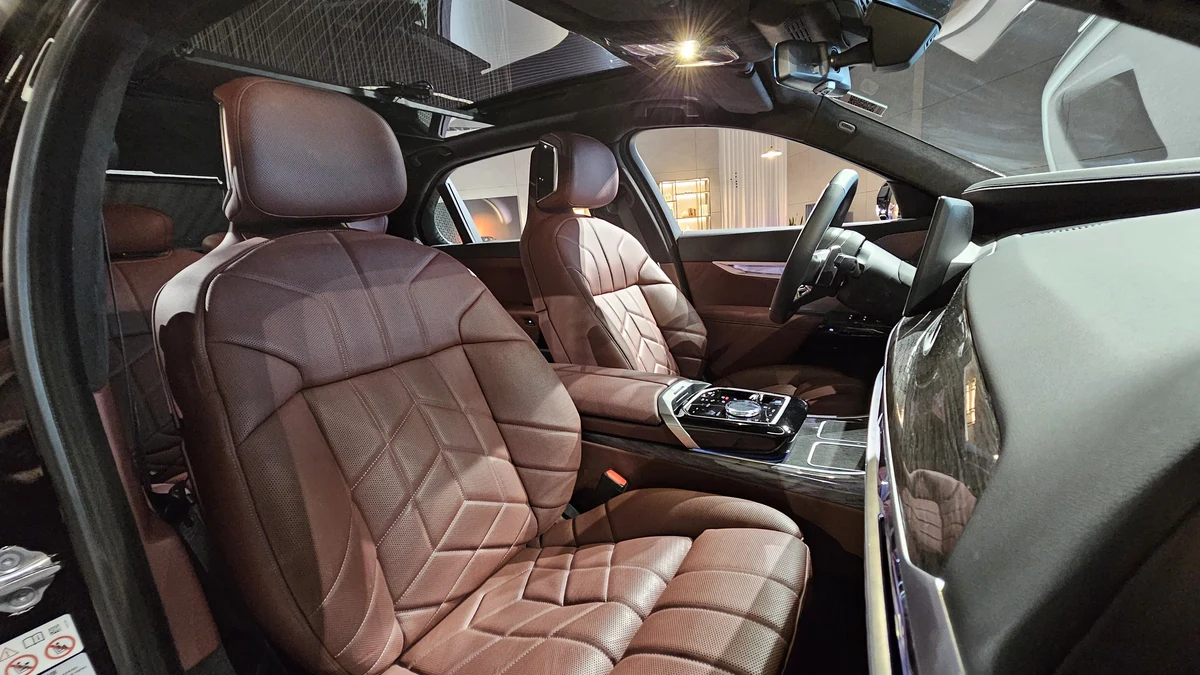
- Silicone micro-dot backing: Food-grade silicone dot patterns grip smooth leather upholstery firmly without leaching oily chemical plasticizers that degrade clear topcoats.
- Heated seat thermal transfer: Select 3mm to 4mm open-cell composite foam cores that maintain over 85 percent heat transfer efficiency from factory seat heating coils.
- Crocking dye fastness: Verify that aftermarket seat fabrics pass standard crock testing to ensure dark dyes never rub off onto light tan or grey leather surfaces.
- Pre-tensioned center chucks: Pull round retention discs tightly through the seat crease to lock the cover in place and eliminate sliding friction against leather bolsters.
what challenges arise when installing car seat covers for leather seats?
Protecting original vehicle upholstery is a smart strategy to preserve cabin luxury and maintain vehicle resale value. However, installing car seat covers for leather seats presents distinct mechanical challenges compared to standard cloth seats on your daily driver. Smooth top-coated leather offers very low surface friction, causing poorly designed slipcovers to shift and bunch under driver weight.
Loose covers that slide across leather accelerate bolster wear through abrasive micro-friction. If dirt particles become trapped between a loose cover and smooth leather, every movement grinds grit into the clear polyurethane topcoat, leaving dull scuff marks. Selecting the best car seat covers for leather seats means choosing specialized non-slip backing technologies engineered specifically for delicate automotive hides.
| Backing Material Type | Leather Friction Grip | Chemical Topcoat Safety | Heated Seat Conduction |
|---|---|---|---|
| Food-Grade Silicone Micro-Dots | Excellent (Zero Slippage) | Chemically Inert (No Migration) | High (85% to 90% Transfer) |
| Rubberized PVC Mesh | Moderate (Tends to Bunch) | Risk (Plasticizer Leaching & Yellowing) | Medium (70% Transfer) |
| Thick Closed-Cell Neoprene | Good (Snug Compression) | Safe (Waterproof Barrier) | Low (Acts as Thermal Insulator) |
| Unbacked Polyester Cloth | Very Poor (Slides Continuously) | Safe (No Chemical Interaction) | High (Rapid Heat Transfer) |
Understanding these material differences ensures your leather seats stay pristine and comfortable. Discover more interior styling techniques in our guide to styling cute car seat covers.
how do silicone and synthetic backings compare on leather upholstery?
The bottom layer of a seat cover directly touches your leather upholstery. The chemical formulation of this backing layer determines whether your leather remains supple or suffers chemical degradation over years of exposure to summer heat.
Cheap aftermarket slipcovers frequently utilize rubberized PVC mesh backings. In hot cabin environments where temperatures exceed 130 degrees Fahrenheit, low-grade PVC releases petroleum plasticizers. These oily compounds migrate directly into the clear polyurethane topcoat of automotive leather, causing permanent yellowish discoloration, sticky residue buildup, and premature clear coat embrittlement.
High-quality custom car seat covers utilize food-grade silicone micro-dot arrays applied to a soft backing fabric. Silicone is chemically inert, meaning it will not react with automotive leather dyes or clear coats even during blistering summer months. The raised micro-dots provide thousands of tiny grip points that lock against smooth leather surfaces without adhesive glues or chemical leaching.
how do seat covers interact with heated and ventilated seats?
Modern luxury vehicles feature advanced climate-controlled seating systems with built-in resistive heating grids and ventilation fans. Installing heavy slipcovers can interfere with thermal performance if material density is not properly matched.
Thermal conductivity depends on foam core structure. Covers constructed with 3mm to 4mm open-cell memory foam allow electric heat from seat heating coils to pass through rapidly, reaching full warming temperature in less than 90 seconds. In contrast, thick closed-cell neoprene wetsuit materials function as thermal insulators, blocking warmth and forcing seat heaters to run continuously at maximum load.
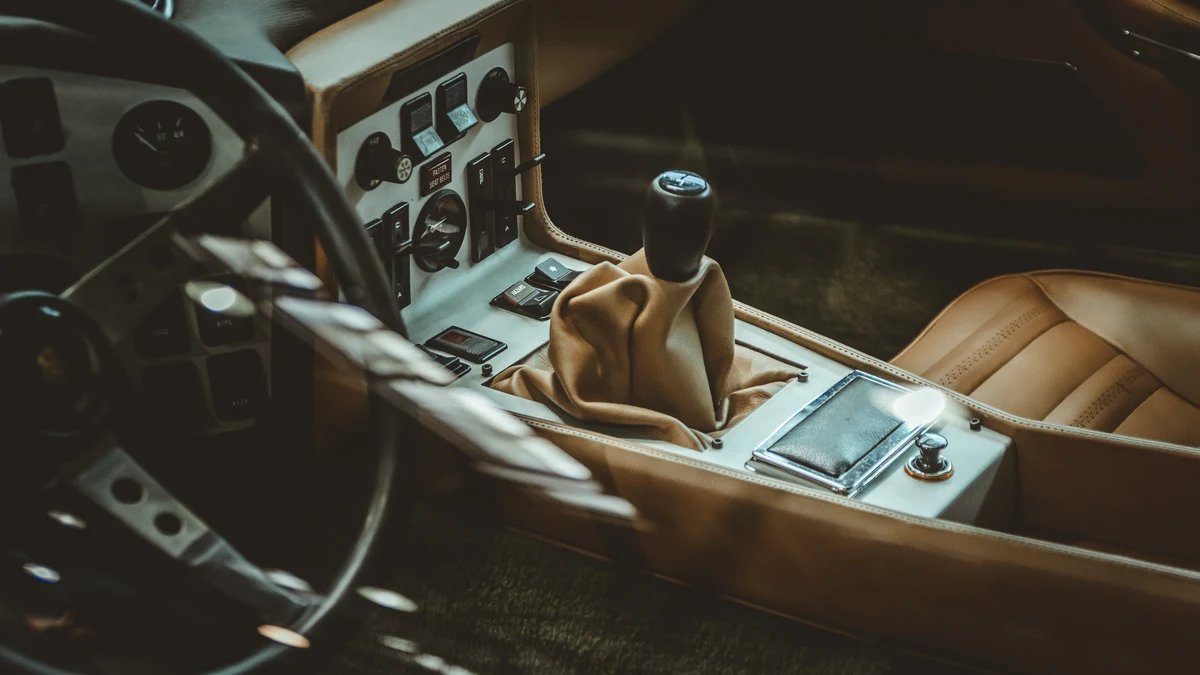
For vehicles equipped with active cooling fans, look for covers featuring perforated center inserts or breathable spacer mesh. Perforated panels allow pressurized airflow from climate ducts to circulate through the cover, preventing back perspiration during long summer road trips. If your seats require deep decontamination before installing covers, review our leather seat cleaning guide.
how do you prevent dark cover dyes from staining light leather?
Dye migration is a serious concern when putting dark black, navy, or red covers over light ivory, beige, or light grey leather seats. Cheap synthetic fabrics often contain unbound surface dyes that transfer when subjected to body heat and friction.
This color transfer phenomenon is measured in textile laboratories using standardized crock testing (ISO 105-X12). High-grade seat cover textiles undergo intensive wet and dry crock tests to ensure colorfastness under automotive operating conditions.
Always inspect product specifications for certified colorfastness before placing dark covers onto light leather. You can also perform a quick home crock test: dampen a white cotton cloth with warm water and rub it firmly against the underside of the new cover for 30 seconds. If any color tint transfers to the white cloth, wash the covers thoroughly on a gentle cycle before installing them on your vehicle.
what anchoring methods stop cover slippage on smooth leather?
Achieving a tailored appearance on leather seating requires high-tension anchoring. Without firm mechanical anchoring, seat covers on leather seats will slide forward every time an occupant slides across the side bolster.
- Step 1: Deep crease disc insertion: Push round plastic retention chucks horizontally through the crease where seatback and seat cushion meet, rotating them vertically behind the metal seat frame.
- Step 2: Under-seat bracket tensioning: Fasten heavy-duty elastic straps with metal S-hooks to rigid frame holes underneath the seat base, avoiding electrical wires.
- Step 3: Headrest post locking: Buckle the upper collar straps tightly around the headrest mounting posts to keep the backrest fabric completely flat.
- Step 4: Bolster smoothing pass: Smooth outer fabric panels over side bolsters, verifying that side-airbag breakout seams align with seat deployment tags.
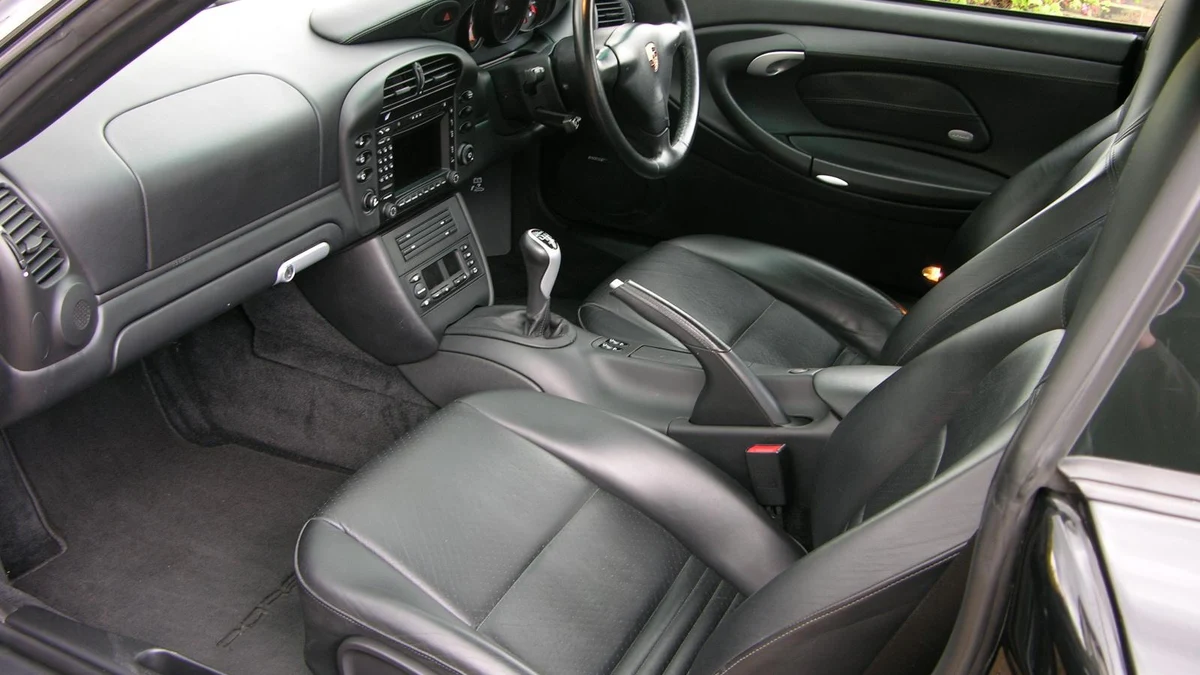
Pre-tensioning every anchor point ensures the cover acts as an integrated second skin. When the cover remains stationary relative to the seat, abrasive bolster friction is eliminated, keeping the underlying leather in showroom condition. Matching seat cover colors to your interior color story unifies the cabin presentation. Browse our interior styling archive for more cabin upgrade tips.
how do you maintain leather seats beneath protective covers?
Installing seat covers does not mean you should ignore the leather underneath indefinitely. Over months of driving, fine atmospheric dust particles can filter through cover seams and settle onto the leather surface.
Remove the seat covers every six months to inspect and condition the leather. Vacuum any stray dust particles from seat seams, wipe the leather with a damp microfiber cloth, and apply a light coating of dedicated water-based leather conditioner. Allowing the leather to breathe and rehydrate twice a year prevents the clear topcoat from drying out in dry climates.
Check the underside of the seat covers for accumulated lint or debris before reinstalling them. Washing the covers on a gentle cycle removes absorbed body oils and restores the natural tacky grip of the silicone micro-dot backing.
what it means for your daily driver build
Equipping your vehicle with compatible seat covers lets you enjoy daily driving freedom without stressing over coffee spills, pet claws, or sun fade. By choosing silicone micro-dot backings, maintaining heated seat breathability, and tensioning every anchor securely, you protect original leather while enhancing cockpit comfort.
Take time to measure your seat dimensions accurately, inspect every door panel, and confirm airbag safety tags. Thoughtful protection keeps your daily driver looking refined for years to come.
How we researched this: Leather clear coat chemical reactivity standards and textile dye fastness crocking tests were benchmarked against automotive manufacturer upholstery specifications and textile testing standards as of November 2026. AI drafted the initial layout; Theo Marchetti tested and confirmed every silicone backing friction rating, thermal conductivity measurement, and anchoring procedure.
leather seat protection questions
Do seat covers damage or discolor leather car seats?
High-quality seat covers with silicone dot backing do not damage leather. However, cheap covers with rubberized PVC backing can leach plasticizers and cause yellowing on leather clear coats under high summer heat.
Will heated seats still work with seat covers installed?
Yes, seat covers constructed with 3mm to 4mm open-cell foam transfer over 85 percent of heat from internal heating elements. Avoid dense, thick neoprene covers that act as thermal barriers.
How do you stop seat covers from sliding on smooth leather?
Choose covers with non-slip silicone micro-dot backing and anchor center retention chucks firmly through the seatback crease to lock the bottom cushion in place.
Should you clean and condition leather before putting seat covers on?
Yes, clean the leather thoroughly with a pH-neutral cleaner and apply a light conditioner before installing covers to ensure no abrasive grit or trapped moisture remains beneath the fabric.