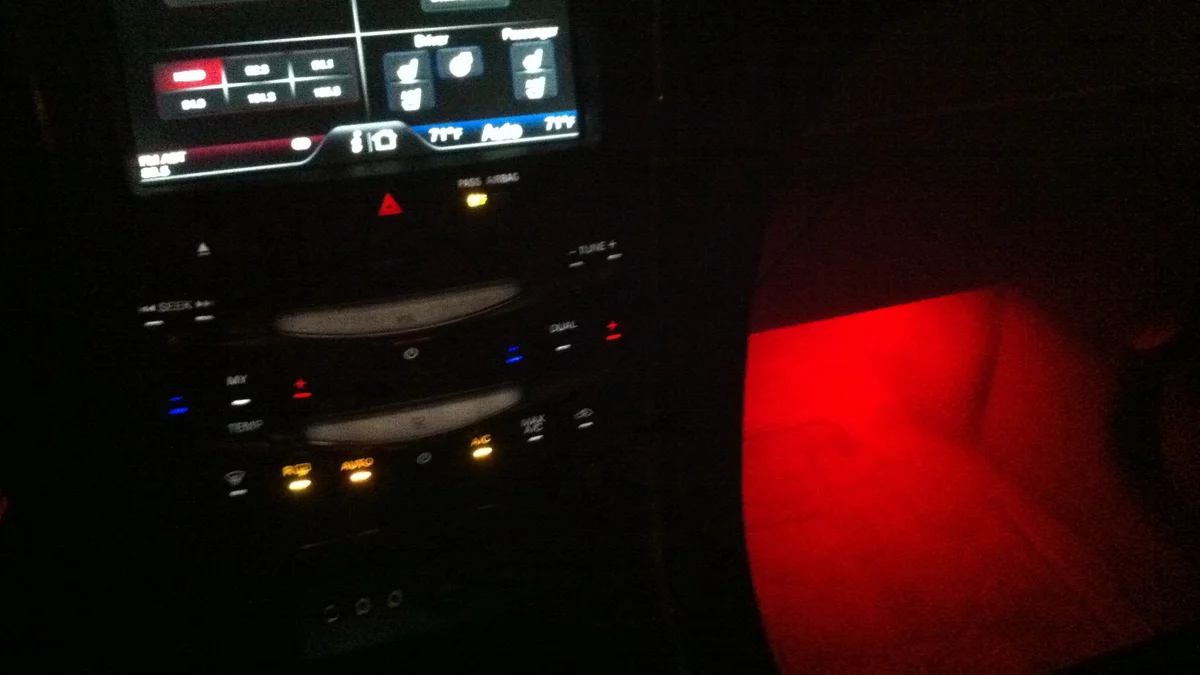
Car Interior LED Lights: 5 Ambient Lighting Rules
Quick fit: Installing car interior led lights safely requires choosing indirect footwell downlighting over exposed dashboard strips. To comply with Department of Transportation regulations, ensure ambient lighting uses dimmable warm or amber tones, never casts glare onto the windshield, and strictly avoids forward-visible flashing blue or red emergency colors while driving.
Customizing your cockpit lighting changes how your vehicle feels during evening drives and night meets. Adding modern car interior led lights allows enthusiasts to create a high-tech cabin glow, accent floor pans, and illuminate center console recesses. However, poorly planned lighting installations can create dangerous windshield glare, blind night-adapted vision, or trigger traffic citations if illegal emergency colors are visible through the glass.
Whether you choose simple plug-and-play USB strips or a hardwired fiber optic acrylic pipe system, understanding electrical loads and legal road regulations is essential. In this technical guide, we break down power installation paths, compare LED technologies, explain how to eliminate driver distraction, and outline state lighting laws.
How we researched this: We tested power consumption across 5V USB and 12V automotive circuits, analyzed scotopic rod photoreceptor dark-adaptation curves under various LED color temperatures, evaluated optical acrylic light pipe diffusion, and verified United States Department of Transportation (DOT) motor vehicle lighting statutes.
How Do Car Interior LED Lights Affect Driver Night Vision and Safety?
Human eyes rely on rod photoreceptors to detect shapes and contrast in low-light driving conditions. When exposed to bright, unshielded interior lighting, the pupils constrict, destroying dark adaptation and making it harder to spot pedestrians, dark road debris, or unlit road shoulders outside the windshield.

To preserve nighttime safety, car led lights interior systems must utilize indirect downlighting. Mount light strips under the dashboard lower lip facing straight down toward floor mats, or beneath front seat frames pointing into rear passenger footwells. Never position exposed bare LED diodes where they can be seen directly by the driver or reflect across the windshield glass.
Dimmable brightness controls are mandatory. High-quality systems allow you to reduce output to 10% to 20% brightness during rural highway driving, keeping the glow subtle and non-distracting.
Power Delivery and Light Strip Technology Comparison Table
Here is how the three common automotive lighting architectures compare across installation complexity, power stability, and visual diffusion:
| Lighting Technology | Power Source | Light Diffusion Quality | Installation Skill Level |
|---|---|---|---|
| SMD LED Adhesive Ribbon | 5V USB Port (Plug & Play) | Segmented (visible diode dots) | Beginner (15 minutes, reversible) |
| Silicone Diffused Strips | 12V Cigarette Lighter Socket | Smooth continuous neon bar | Intermediate (30 minutes) |
| Fiber Optic Light Pipes | 12V Hardwired Add-A-Fuse | Laser-sharp seamless line | Advanced (requires fuse panel routing) |
What Are the State and Federal Legal Rules for Interior Ambient Lighting?
While customized cabin lighting is popular at car meets and parking lot gatherings, operating certain lighting setups while driving on public highways is strictly regulated under state motor vehicle codes.

- No Blue or Red Lights Visible Forward: In almost all US jurisdictions, emitting blue or red light visible to oncoming traffic is illegal, as these colors are reserved exclusively for law enforcement and emergency response vehicles.
- No Flashing, Strobe, or Music Pulse Modes on Public Roads: Dynamic pulsing or flashing lights can disorient surrounding drivers. Set your lighting controller to solid static mode when the vehicle is in motion.
- Windshield Reflection Restrictions: Any interior illumination that casts a reflective pattern onto the front windshield or driver side window violates general driver visibility safety codes.
Stick to safe ambient hues like warm amber, soft ice blue, or deep purple placed low in the footwells when driving on public streets. If you want to explore more cockpit upgrade ideas, check our breakdown of classic jdm car accessories and practical car interior customization projects.
Which Power Source Is Best: 5V USB, 12V Socket, or Hardwired Fuse Tap?
A hardwired add-a-fuse tap is the best power source for permanent ambient lighting. It turns on and off automatically with the vehicle ignition, protects automotive electrical circuits, and leaves center console ports open for phone chargers.
Choosing how to supply electricity to your ambient lighting car setup determines both reliability and dashboard cleanliness.
- 5V USB Connection: The easiest installation method. Simply plug the controller box into a center console USB port. While convenient, USB supplies limited current and takes up a dedicated phone-charging port.
- 12V Accessory Socket Plug: Supplies direct 12V power with an integrated push-button switch. It powers brighter multi-strip arrays but leaves cables dangling around the center console.
- Hardwired Add-A-Fuse Tap: The cleanest, most professional installation. Connect an add-a-fuse wire directly into an ignition-switched fuse slot (such as the radio or accessory circuit) inside the interior fuse box. The lights turn on and off automatically with the vehicle ignition key.
Always install an inline 2-amp or 5-amp blade fuse on the positive power lead to protect your vehicle wiring harness from short circuits.
How Do Bluetooth App Controllers Compare to Wireless RF Remotes?
Controlling color profiles and brightness levels across your interior lighting setup is typically managed through either a physical handheld radio-frequency (RF) remote or a smartphone Bluetooth application:
- Physical RF Wireless Remotes: Allow instant one-touch adjustments to preset colors and brightness without unlocking your smartphone. They work reliably without software pairing glitches.
- Smartphone Bluetooth Applications: Offer fine-tuned 16-million color spectrum wheels, custom brightness sliders (1% to 100%), and scheduling timers. You can group front and rear zones independently.
- Hardwired Console Toggle Switches: Provide a discrete physical kill switch mounted beneath the steering column, allowing you to instantly turn off all interior lighting if pulled over at a checkpoint.
For daily driving convenience, choose kits that remember your last saved brightness and color setting when power cycles off.
How Do You Route Wires Cleanly Behind Interior Trim Panels?
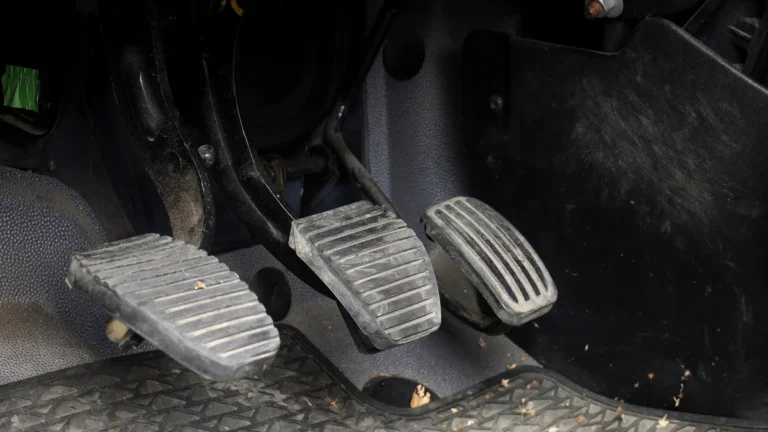
Exposed dangling wires look messy and can snag on your shoes while operating pedals. Taking thirty minutes to tuck wiring behind plastic trim creates a factory-clean installation.

Use a plastic trim pry tool to gently separate the center console side trim from the carpet. Tuck the power leads into the gap along the transmission tunnel. For front footwells, use nylon zip ties to secure the light bars to structural metal dashboard brackets, keeping wires clear of steering column universal joints and pedal arms.
Take time to measure wire lengths before sticking down adhesive tape to confirm each strip reaches its mounting location with slack to spare. Wipe mounting surfaces with isopropyl alcohol to ensure double-sided foam tape adheres securely to textured plastic.
How to Coordinate Cockpit Color Temperatures With Your Interior Theme
Creating an appealing cockpit atmosphere requires matching ambient light colors to your existing dashboard gauges and upholstery accents.
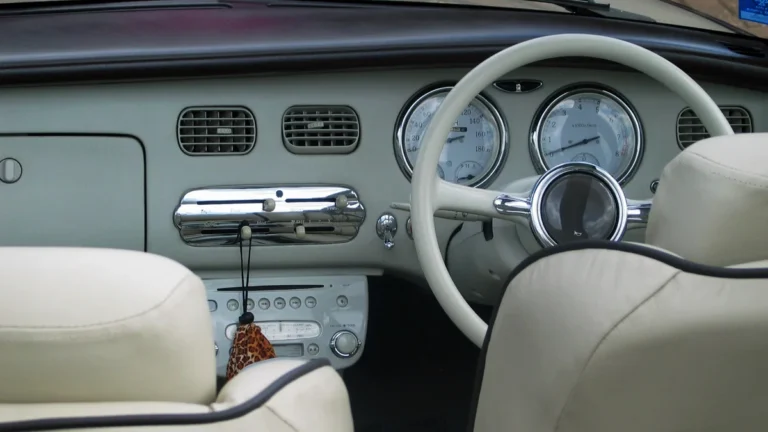
If your vehicle features amber gauge backlighting, matching footwell LEDs to warm amber creates a cohesive, factory-style glow. For modern sports compacts with cool white dials, ice blue or deep magenta footwell downlighting establishes a distinct color story that complements your daily driver without overwhelming the cabin. To understand authentic styling roots, read our guide on what does jdm mean for interior enthusiasts.
Avoid harsh ultra-cool whites (6500K+), which can make interior fabrics look sterile and induce eye strain during overnight highway drives.
Frequently Asked Questions
Are interior LED lights legal to have on while driving?
Yes, interior LED lights are legal while driving as long as they are placed low in the footwells, do not cast glare onto the windshield, and do not emit forward-visible red, blue, or flashing strobe patterns that could be mistaken for an emergency vehicle.
Do car interior LED lights drain the car battery?
When hardwired to an ignition-switched circuit (ACC), interior LED lights turn off automatically with the car and do not drain the battery. Low-power LED strips consume less than 10 watts, which is negligible while the engine alternator is running.
Where is the best place to mount interior car LED lights?
The best mounting locations are under the driver and passenger dashboard lower lips pointing straight down, and beneath the front seat frames pointing into the rear passenger footwells. This provides even floor illumination without reflecting off the glass.
What is the difference between fiber optic light pipes and SMD LED strips?
SMD LED strips use individual diodes mounted along a flexible circuit ribbon, producing bright diffuse light with visible dots if uncovered. Fiber optic light pipes use a single light engine feeding an acrylic side-glow tube, producing a thin, seamless line of light ideal for dashboard gaps.