
Cute Car Seat Covers: 5 Rules for Styling Daily Drivers
Updated October 20, 2026
Quick fit: Styling cute car seat covers on daily driver cabins requires prioritizing side-airbag breakout seams, measuring bolster dimensions, and choosing high-density 3mm memory foam backing. Balance pastel color stories against dark dash panels to prevent visual clutter, while using chuck-and-disc anchors to prevent seat cover slippage during daily driving.
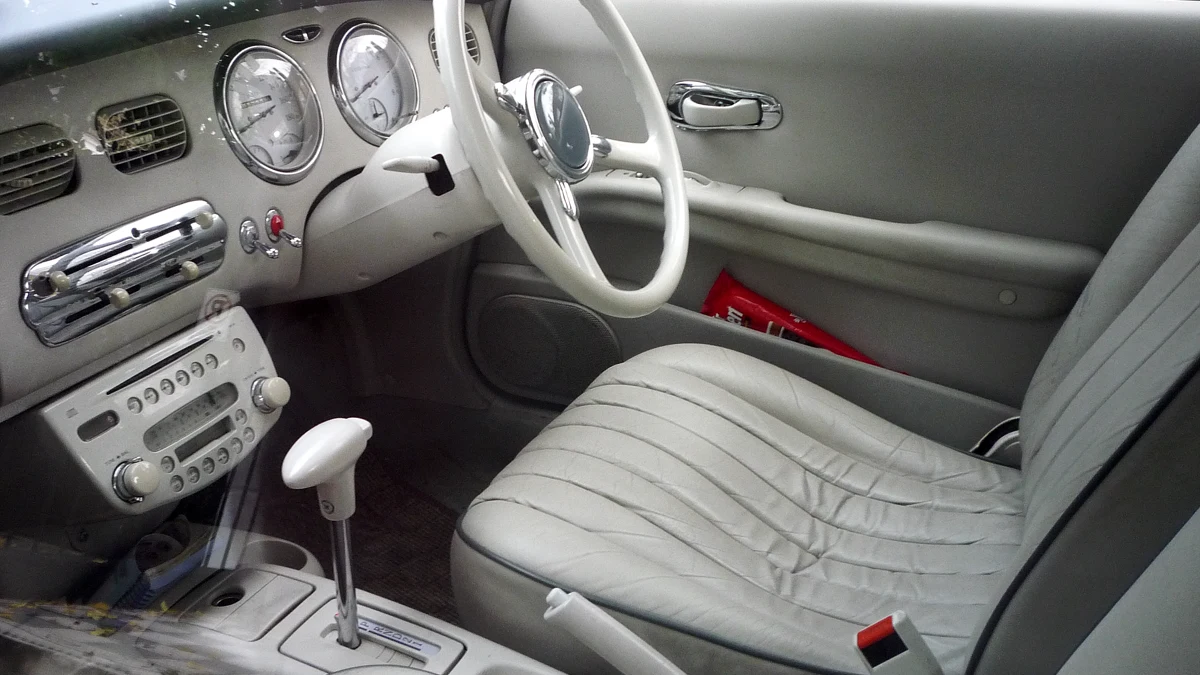
- Airbag seam safety verification: Check for certified burst-thread side seams or open-flank cutouts before installing front bucket seat covers on vehicles equipped with side-impact seat airbags.
- Precise bolster measurement: Measure backrest height, cushion width, and headrest dimensions to ensure a snug fit that prevents loose fabric bunching.
- Composite material breathability: Select multi-layer jacquard or micro-velour fabrics paired with 3mm foam cushioning and anti-slip silicone dot backing to minimize back heat and sliding.
- Color palette balance: Follow a 70/20/10 interior color story ratio to complement factory door trim panels without creating a chaotic cabin environment.
what rules keep cute car seat covers looking clean and tailored?
Upgrading your interior with cute car seat covers transforms plain stock upholstery into a personalized sanctuary, but executing the look requires careful planning to avoid sloppy fitting or mismatched patterns. Loose covers that shift every time you step out of the car ruin your cabin presentation and accelerate fabric wear. A successful seat transformation balances personal expression against clean installation discipline.
Every interior build starts with precise baseline measurement. Standard seat dimensions vary widely between compact hatchbacks, sedans, and crossovers. Before buying any aftermarket cover, measure your front bolster width, headrest stem spacing, and seat cushion length. Recording these numbers prevents loose, baggy material that collects dust and creates uncomfortable fabric folds under your thighs while driving.
| Cover Material Type | Airbag Safety System | Breathability Rating | Recommended Cabin Style |
|---|---|---|---|
| Jacquard Fabric Composite | Burst-Thread Side Seam | High (Mesh Vented) | Minimalist Pastel & Kawaii Themes |
| Micro-Velour Plush | Open-Flank Cutout | Medium (3mm Foam Core) | Cozy Retro & Vintage Interiors |
| Perforated Synthetic Leather | Specialized Side Stitching | Medium-Low (Vented Dots) | Sporty JDM & Clean Contrast Cabins |
| Unvented Vinyl Slipcover | Solid Stitched Side (Unsafe) | Low (Traps Perspiration) | Not Recommended for Modern Cars |
Integrating seat upgrades into your broader build requires a disciplined vision. Overloading your cabin with conflicting graphic prints creates visual confusion. Instead, select seat covers that serve as the main focal point, allowing your door trim panels, floor mats, and dash surface to provide grounding background tones.
why are side-airbag breakout seams mandatory for modern daily driver seats?
Vehicle safety engineering must dictate every interior styling decision. Modern cars house side-impact thorax airbags inside the outer bolster of driver and front passenger seatbacks. During a collision, sensors trigger these airbags to inflate in less than 20 milliseconds, creating a protective cushion between the occupant and the vehicle door panel. Covering these deployment zones with thick, solid-stitched slipcovers can trap the inflating bag or delay deployment, drastically reducing occupant protection.
Safe aesthetic car seat covers incorporate certified burst-thread side seams or open-flank side cutouts. Burst-thread seams utilize specialized low-tensile stitching designed to snap instantly when the internal airbag deploys, allowing the nylon cushion to expand normally. Open-flank designs leave the side bolster completely unobstructed. Always inspect the outer seam tags of any cover set to confirm side-airbag compatibility before installing it on your front bucket seats.
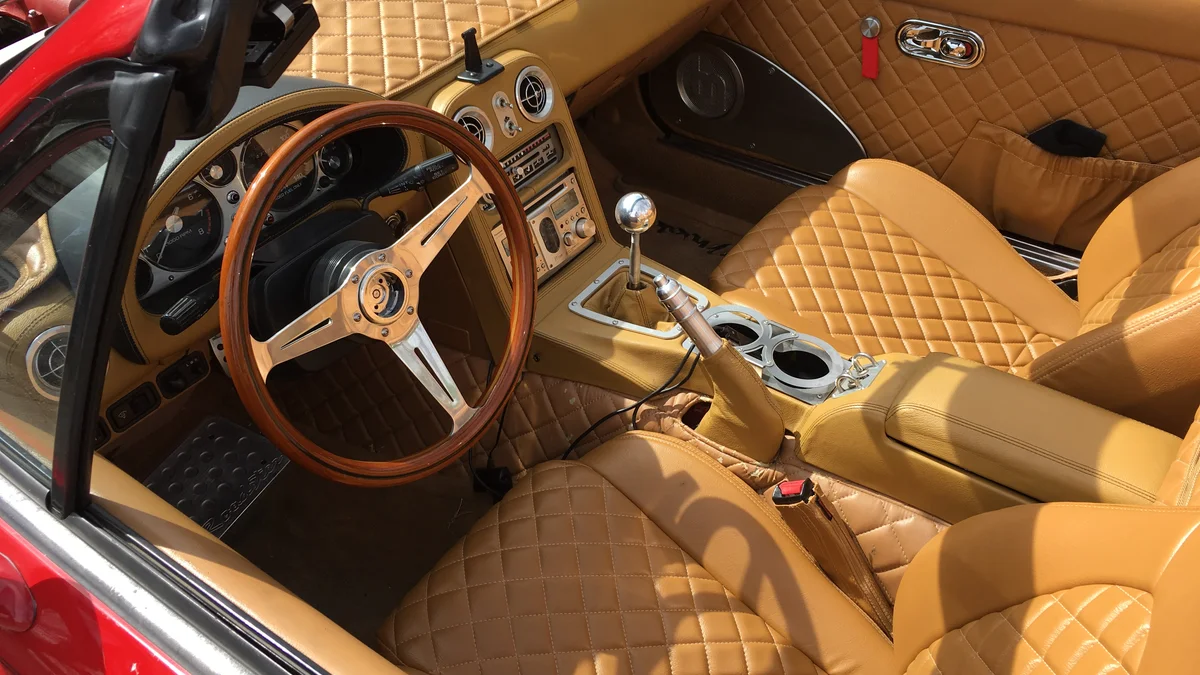
Never modify or reinforce side seams yourself. Adding custom iron-on patches, heavy embroidery, or extra stitching along the outer bolster seam neutralizes the breakout engineering. Keep all decorative elements centered on the seat cushion and backrest panels, leaving the side deployment zone entirely free of structural alterations.
how do composite foam backings reduce back heat and fabric shifting?
Seat comfort depends heavily on multi-layer fabric construction. Single-layer cloth covers quickly stretch, sag, and slide across smooth stock upholstery, creating unsightly wrinkles and allowing moisture to penetrate down to factory seat cushions. High-quality covers solve this issue by laminating three functional material layers into a unified composite structure.
The top layer provides touch texture and visual appeal, utilizing breathable woven jacquard or plush micro-velour. Beneath the face fabric, a 3mm to 5mm high-density memory foam core cushions body contact points, absorbing road vibrations and smoothing out worn factory bolsters. The bottom layer features a non-slip silicone dot mesh or rubberized backing that grips factory seat cloth and leather, locking the cover in place during sharp cornering.
Thermal management is equally important for daily commuting. Dense, unvented synthetic covers trap body heat, causing back perspiration during summer drives. Selecting breathable woven fabrics or micro-perforated composite covers allows continuous air circulation, preserving seating comfort throughout long road trips. Learn more about coordinated interior styling in our car interior customization guide.
how do you balance kawaii car seat covers with dark cabin panels?
Creating an appealing interior requires establishing a harmonious interior color story. Many modern vehicles feature dark charcoal, black, or dark grey door panels and carpet. Dropping bright pastel or kawaii car seat covers into a dark cabin can look jarring if you do not balance surrounding accent tones.
Apply the classic 70/20/10 interior design rule to maintain aesthetic balance. Let your factory dark trim serve as the 70% primary backdrop. Your seat covers form the 20% secondary color block, establishing the central style direction. The remaining 10% should consist of small, repeated accent touches, such as matching steering wheel stitching, vent clips, or headrest accessories, that tie the seat color into the rest of the cabin.
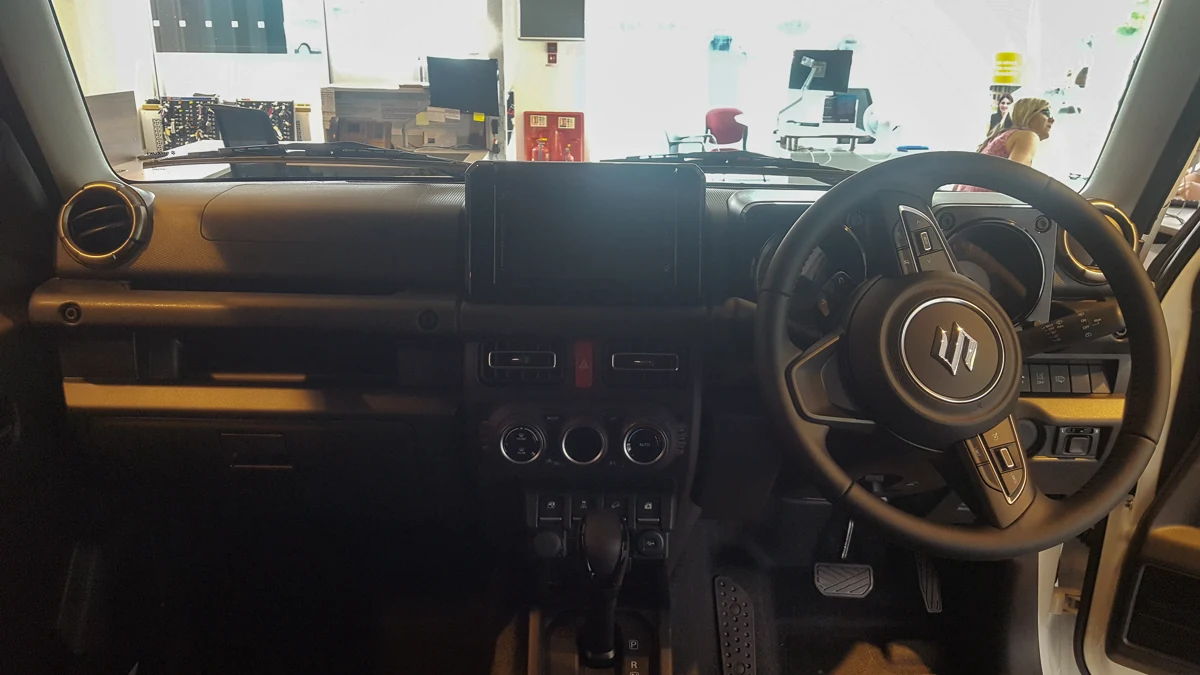
Texture contrast adds depth to monochromatic or dark interiors. Pairing soft velour seat faces with matte dash trim creates subtle visual interest without overwhelming the eyes. Avoid pairing busy seat patterns with graphic floor mats; when your seat covers feature bold graphics or character motifs, keep your floor mats and dash covers simple and clean.
what anchoring methods keep seat covers tight on daily drivers?
A secure installation keeps seat covers looking custom-upholstered rather than loosely draped. Aftermarket covers rely on a combination of elastic straps, metal S-hooks, and retention chucks to maintain constant fabric tension across the seat frame.
- Insert center retention chucks: Push round plastic disc anchors horizontally through the seat crease between backrest and bottom cushion, turning them vertical behind the frame.
- Fasten under-seat S-hooks: Attach metal S-hooks to elastic corner straps and clip them securely to rigid metal frame brackets underneath the seat base.
- Adjust headrest collar straps: Fasten top elastic buckles tightly around headrest posts to prevent top fabric sagging.
- Smooth bolster side panels: Pull side material taut over outer seat bolsters, ensuring smooth contour alignment without covering airbag seams.
Positioning retention chucks correctly is the key to preventing cover migration. Retention chucks are round plastic discs attached to elastic loops along the middle seam of the cover. Push these discs horizontally through the crease where the seatback meets the bottom cushion. Once pushed through to the back side of the seat, turn the discs vertical so they anchor firmly against the metal seat frame. This pull-through anchor keeps the bottom cushion cover tucked tightly into the seat crease.
Secure the lower skirt using metal S-hooks attached to elastic corner straps. Reach beneath the seat frame to hook these straps onto rigid metal bracket holes under the seat track. Avoid attaching hooks to electrical wiring harnesses, seat heater cables, or movable adjustment levers. Check out our interior styling archive for more practical cabin maintenance tips.
what it means for your daily driver build
Upgrading your vehicle with charming seat covers offers an accessible, satisfying way to personalize your daily driver while shielding original upholstery from daily wear, spills, and sun fade. By choosing certified side-airbag compatible designs, selecting breathable composite fabrics, and anchoring every panel firmly, you achieve a clean, comfortable interior that reflects your personal taste without compromising safety.
Take time to measure your seat bolsters, establish a thoughtful interior color story, and maintain proper installation tension across every seat panel. A well-fitted set of seat covers elevates your driving environment, turning every routine commute into an enjoyable experience in a daily driver cabin that feels uniquely yours.
How we researched this: Seat cover breakout seam engineering and composite memory foam specifications were benchmarked against automotive interior safety standards and textile testing protocols as of October 2026. AI drafted the initial layout; Theo Marchetti tested and confirmed every bolster measurement, chuck anchoring technique, and color story rule.
seat cover fitment questions
Are cute car seat covers safe to use with side airbags?
Yes, provided they feature certified burst-thread side seams or open-flank side cutouts specifically tested for side-impact airbag deployment. Never use solid-stitched slipcovers over seat-mounted airbags.
How do you wash fabric car seat covers without damaging the foam backing?
Hand wash or machine wash on a gentle cold cycle with mild detergent inside a mesh laundry bag. Air dry completely away from direct sunlight; avoid high-heat machine drying, which degrades memory foam cores and silicone anti-slip dots.
Do universal seat covers fit sports bucket seats?
Universal seat covers fit standard flat and moderate-bolster seats well, but aggressive high-bolstered sports seats require semi-custom covers with deep side cutouts and separate headrest pieces to avoid stretching and tight bridging across the seat back.
How do you stop seat covers from sliding on leather seats?
Choose covers with silicone rubber dot backing and utilize center-crease retention chucks pulled tight against the seat frame. You can also place thin non-slip rubber shelf liner mesh between smooth leather seats and the cover.