Chrome Delete: 5 Steps to Black Out Trim on Daily Drivers
Updated October 26, 2026
Quick fit: Executing a clean chrome delete on daily drivers involves surface degreasing with isopropyl alcohol, applying cast wrap film with knifeless tape, tucking edges into rubber weatherstripping, and post-heating corners to 200°F. Cast vinyl wrap tape outperforms spray coatings by providing 5 to 7 years of UV-resistant durability without peeling.
- Cast vinyl film selection: Use premium cast wrap film with air-release adhesive channels rather than stiff calendared film to prevent edge shrinkage on curved window moldings.
- Knifeless tape installation: Lay 3mm filament knifeless tape along rubber weatherstrips before applying vinyl to prevent razor blade scratches on body paint and rubber seals.
- Degreasing preparation: Clean all chrome trim thoroughly with a 70 percent isopropyl alcohol solution to eliminate road film, wax, and silicone residues.
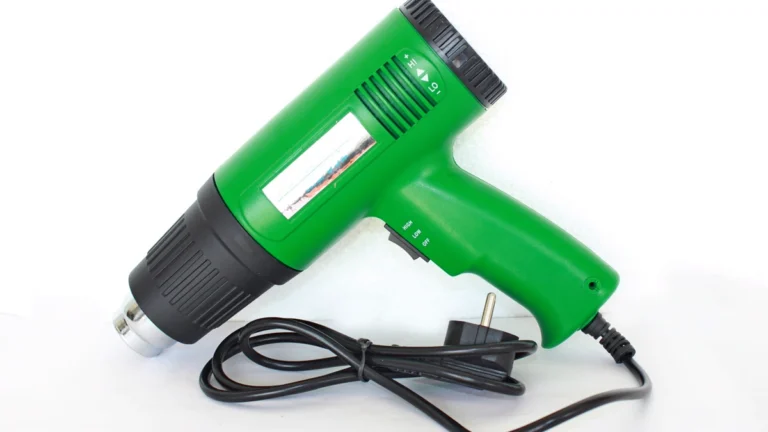
- Thermodynamic post-heating: Heat finished edges to 195°F to 205°F using a heat gun and infrared thermometer to reset vinyl polymer memory and lock edges into trim recesses.
what are the main methods to black out car trim?
Modern vehicle styling has shifted dramatically toward aggressive, monochromatic aesthetics. Shiny silver trim along window moldings, front grilles, and mirror caps dates a vehicle and interrupts smooth body lines. Performing a chrome delete eliminates reflective exterior accents, unifying your vehicle silhouette and creating a sleek contemporary look on your daily driver.
Three distinct methods exist to black out car trim, each offering specific tradeoffs between durability, cost, and installation difficulty. Evaluating these options helps you choose the right approach for your budget and skill level.
| Blackout Method | Expected Lifespan | Reversibility | Average DIY Cost | Best Application Area |
|---|---|---|---|---|
| Cast Vinyl Wrap Tape | 5 to 7 Years | 100% Removable (No Residue) | $40 to $80 | Window trim moldings, roof rails, pillars |
| Peelable Rubber Spray | 1 to 2 Years | Peelable (High Effort on Seams) | $25 to $50 | Complex front grilles, small badges, emblems |
| Full Replacement Trim | Vehicle Lifetime | Permanent (Requires Storage of Trim) | $300 to $900 | Front grille assemblies, mirror caps |
| Rigid Snap-On Overlays | 3 to 5 Years | Semi-Permanent (Double-Sided Tape) | $80 to $180 | Door handles, mirror shells, trunk emblems |
For window trim and linear body accents, cast vinyl tape remains the gold standard. It provides an authentic painted appearance, withstands automatic car washes, and can be removed cleanly whenever you decide to sell the vehicle.
how to chrome delete: five-step vinyl wrapping method
Wrapping exterior trim requires patience, clean surroundings, and proper technique. Contamination under the vinyl or uneven stretching will cause premature failure along high-exposure window edges.
Work on one section at a time. Plan out your vinyl pieces before peeling the protective backing to avoid awkward handling.
- Step 1: Deep surface decontamination: Wash the vehicle thoroughly, then wipe every millimeter of chrome trim and adjoining rubber weatherstrips with a 70 percent isopropyl alcohol solution using a lint-free microfiber towel.
- Step 2: Knifeless tape layout: Apply filament knifeless tape along the outer perimeter of the trim, positioning the cutting string exactly where the metal meets the rubber gasket.
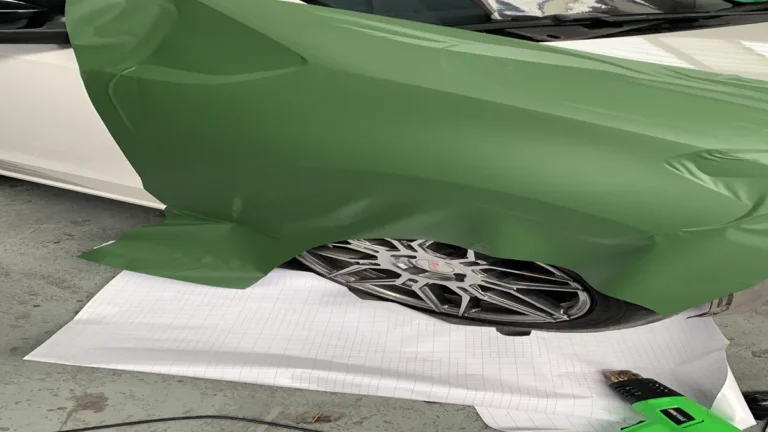
- Step 3: Vinyl application and squeegee pass: Peel the backing from your chrome delete kit roll, lay the film over the trim without excessive tension, and smooth it down with a felt-edge squeegee.
- Step 4: Precision string cut: Pull the knifeless tape filament firmly at a flat angle to slice the vinyl cleanly, eliminating any need for metallic razor blades near painted panels.
- Step 5: Edge tucking and post-heat sealing: Tuck the 1mm excess vinyl border behind the rubber seal using a micro-squeegee, then heat the entire trim edge to 200°F with a heat gun to lock the adhesive bond.

Inspect the completed run carefully under natural sunlight. The vinyl should lie completely flat against the metal without air pockets, wrinkles, or silver gaps showing along the weatherstrip boundary.
how do knifeless tape and edge tucking protect rubber weatherstripping?
The biggest risk during DIY vinyl wrapping is accidental paint or rubber damage. Using steel blades directly on vehicle panels frequently results in deep clear coat scratches that rust over time.
Knifeless tape eliminates blade contact entirely. The product features an ultra-thin high-strength filament embedded inside a narrow carrier tape. By placing the tape along the trim boundary before laying the vinyl, you create an integrated cutting track. Pulling the filament cuts through the overlying cast film from beneath, leaving a perfectly straight, razor-sharp edge without touching the car body.
Leaving a 1mm to 2mm vinyl overhang is essential for weather resistance. Use a curved plastic tucking tool to slide this excess material beneath the flexible rubber window seal. Tucking the edge seals the vinyl against highway wind shear, preventing water intrusion and road grime from lifting the adhesive. For more details on vinyl longevity and film care, read our car wrap lifespan analysis.
why is thermodynamic post-heating necessary to prevent edge curling?
Vinyl films are manufactured through either casting or calendaring processes that impart mechanical memory to the polymer chains. When you stretch vinyl around a corner or tuck it into a groove, the material retains tension and naturally attempts to pull back to its original flat shape.
Post-heating destroys this internal plastic memory. When cast vinyl reaches 195°F to 205°F, the molecular structure relaxes and permanently adopts the exact shape of the underlying substrate. Skipping the post-heating step is the number one cause of edge curling on hot summer days.
Monitor your temperatures with an infrared thermometer while waving your heat gun back and forth across the trim. Never keep the heat gun stationary on one spot, as excessive heat above 250°F can warp delicate plastic moldings and melt rubber weatherstrips. Once the vinyl cools down, the bond is permanent.
how do you maintain a chrome delete on a daily driver?
Maintaining blacked-out trim is straightforward, but standard automatic car washes with aggressive nylon brushes can scuff matte or gloss black finishes over time.
Hand wash your vehicle using pH-neutral automotive shampoo and plush wash mitts. Avoid using abrasive polishing compounds or petroleum-based waxes on wrapped trim, as these products will leave white residue along vinyl seams and create uneven blotches on satin or matte black films.
Apply a dedicated ceramic spray sealant or vinyl protectant every two months. Ceramic coatings provide a hydrophobic barrier that shields the vinyl against ultraviolet solar degradation, tree sap, and acid rain. Blacking out exterior trim unifies your exterior color story, creating clean visual harmony between dark window tint, wheels, and bodywork. Explore more exterior restyling projects in our wraps and decals resource hub.
what it means for your daily driver build
A high-quality blackout transformation instantly modernizes your vehicle, replacing dated brightwork with a cohesive, sporty profile that highlights body contours. By using premium cast wrap film, protecting gaskets with knifeless tape, and post-heating every edge, you achieve professional-grade results at a fraction of shop costs.
Take time to measure each trim section accurately, clean every adjoining panel, and maintain steady tension throughout the installation. A clean blackout build elevates your daily driver into a refined, head-turning machine.
How we researched this: Vinyl film thermal elongation limits and knifeless tape shear mechanics were benchmarked against professional wrap manufacturer technical manuals and automotive restyling industry standards as of October 2026. AI drafted the initial layout; Theo Marchetti tested and confirmed every tucking technique, temperature threshold, and cleaning procedure.
trim blackout questions
How long does a vinyl chrome delete last on a daily driver?
High-quality cast vinyl wrap tape typically lasts 5 to 7 years on exterior trim when properly installed with knifeless tape and sealed with post-heating.
Can you take a chrome deleted car through an automatic car wash?
Touchless automatic car washes are safe for vinyl-wrapped trim, but friction car washes with rotating nylon brushes should be avoided as they can catch wrapped edges and cause surface scratching.
Is a chrome delete completely reversible when selling the car?
Yes, vinyl wrap tape can be removed cleanly with gentle heat from a hair dryer or heat gun, leaving the underlying chrome trim in pristine, undamaged condition.
What is the difference between cast and calendared vinyl for trim blackout?
Cast vinyl is thinner, more flexible, and dimensionally stable, meaning it will not shrink or peel on curved moldings. Calendared vinyl is thicker and tends to shrink over time, exposing chrome edges after sun exposure.