How Much Does It Cost to Wrap a Car? 4 Cost Tiers Explained
Updated October 3, 2026
Quick fit: Answering how much does it cost to wrap a car: professional full wraps run $2,500 to $5,000 for standard sedans. Accent panels cost $250 to $550, while custom printed graphics reach $5,500 to $8,500. Skilled labor for hardware teardown and prep makes up 70% to 80% of the total quote.
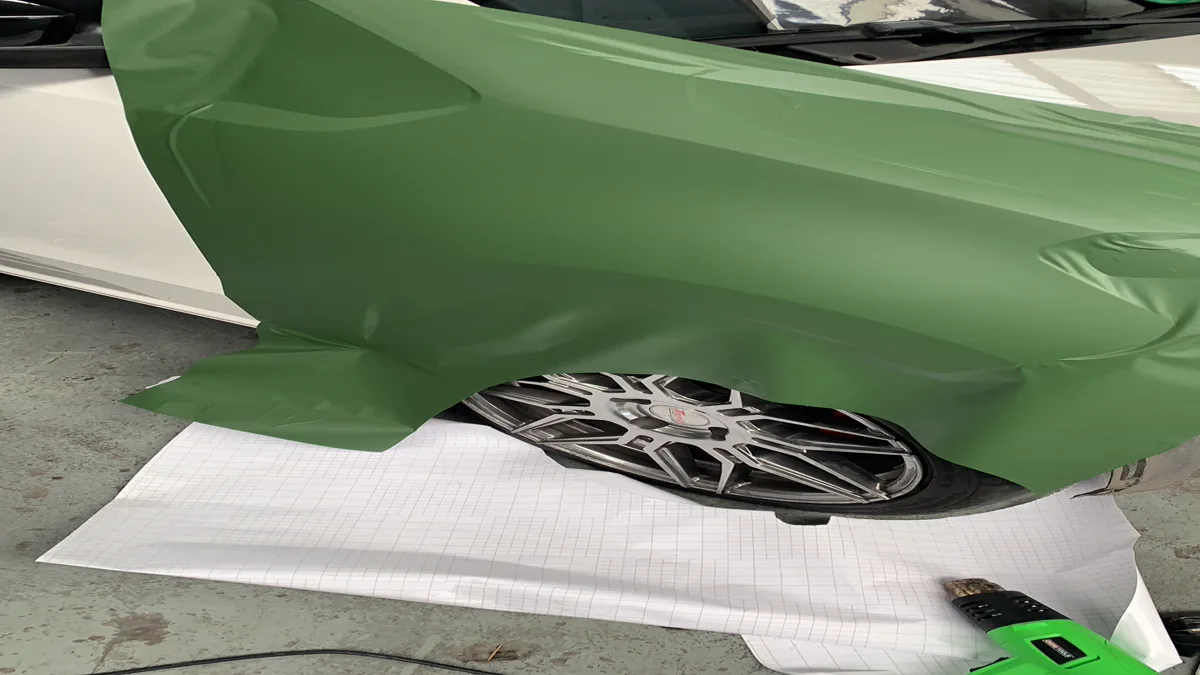
- Clear coat integrity check: Vinyl film adheres to smooth clear coat; peeling clear coat or rust spots will lift with the vinyl during installation or removal.
- Hardware teardown requirements: Proper quotes budget 10 to 14 hours purely to remove door handles, taillights, headlamps, and exterior trim panels.
- Material grade verification: Insist on premium cast vinyl (such as 3M 2080 series or Avery Dennison SW900) rather than cheaper calendered films that shrink and peel.
- Color registration compliance: If your wrap changes the primary exterior body color, verify your state DMV reporting requirements to update your vehicle registration.
How much does it cost to wrap a car across 4 real pricing tiers?
Understanding how much does it cost to wrap a car begins with recognizing that vehicle size, body panel complexity, and film finish establish four distinct cost brackets. While raw vinyl rolls sell for predictable retail sums, the final invoice reflects the hours required to wrap recessed channels and compound curves smoothly.
When you ask a specialized shop for an estimate, your project will generally fall into one of these four established industry tiers:
- Tier 1: Accent and component wraps ($250 to $550): Covering individual exterior sections like a roof panel, hood, side mirrors, or rear spoiler. A gloss black roof wrap on a standard compact sedan typically runs $280 to $380, assuming antenna removal does not require dropping an entire interior headliner.
- Tier 2: Partial car wrap coverage ($1,200 to $2,400): Wrapping 30% to 60% of exterior sheet metal. This tier includes two-tone aesthetics, bonnet-and-boot pairings, half-body commercial graphics, and localized tuner graphics. It delivers massive visual impact while keeping the original factory color visible on doors and fenders.
- Tier 3: Standard full color change ($2,800 to $4,800): Complete exterior coverage in single-color gloss, satin, or matte cast vinyl. Compact coupes (like a Mazda Miata or Subaru BRZ) sit between $2,800 and $3,400, midsize sedans average $3,500 to $4,200, and full-size trucks or three-row SUVs climb to $4,500 to $5,200 due to sheer surface square footage.
- Tier 4: Specialty films and full printed liveries ($5,500 to $8,500+): Ultra-metallic finishes, color-shifting iridescent films, brushed metal textures, and full bespoke printed liveries. High-end anime wraps and motorsport designs require custom digital illustration, laminated print rolls, and meticulous panel-to-panel graphic alignment that demands 50 or more installation hours.
If you are exploring complex character liveries, our foundational guide on building an authentic itasha wrap breaks down the specific graphic design rules and hood-to-fender transition techniques needed for cohesive street styling.
| Vehicle Classification | Accent Wrap | Partial Wrap | Full Color Change | Specialty / Custom Livery |
|---|---|---|---|---|
| Compact Coupe / Hatchback | $250 to $350 | $1,100 to $1,800 | $2,600 to $3,400 | $5,000 to $6,500 |
| Midsize Sedan / Crossover | $300 to $450 | $1,400 to $2,100 | $3,200 to $4,200 | $5,800 to $7,400 |
| Full-Size Truck / Large SUV | $380 to $550 | $1,800 to $2,600 | $4,200 to $5,200 | $6,800 to $8,800 |
| Exotic / Severe Compound Curves | $450 to $700 | $2,200 to $3,200 | $5,000 to $7,500 | $8,000 to $11,000+ |
What drives car vinyl wrap cost between raw materials and skilled labor?
A common misconception among automotive enthusiasts is that vinyl film represents the lion’s share of a shop invoice. In reality, raw materials account for roughly 20% to 30% of total job cost, while intensive, skilled technician labor commands the remaining 70% to 80% of every professional quote.
Understanding this breakdown protects you from misleading lowball quotes that cut corners on critical disassembly and surface prep:
- Raw cast film rolls ($600 to $900): A standard 50-foot by 5-foot roll of professional dual-cast vinyl (such as 3M 2080 or Avery Dennison Supreme Wrapping Film) costs between $650 and $850 at retail or wholesale distribution. Specialty finishes like true chrome or forged carbon can run $1,400 to $2,200 per roll.
- Chemical prep and consumables ($100 to $200): High-grade clay bars, iron decontamination sprays, citrus-based adhesive removers, lint-free microfiber rolls, knifeless tape, and 99% isopropyl alcohol washes for deep seam cleaning.
- Hardware teardown and reassembly (10 to 14 labor hours): To tuck vinyl securely behind panel edges without visible seam cuts, installers must remove front and rear bumper covers, headlights, taillight housings, side mirrors, door handles, and rubber belt moldings.
- Film manipulation and glassing (14 to 20 labor hours): Stretching the cast vinyl uniformly over deep body lines, squeegeeing trapped air through microscopic release channels, trimming relief cuts without scoring clear coat, and wrapping deep door jamb returns.
- Critical post-heating (2 to 4 labor hours): Heating all stretched edges and recessed channels with an infrared thermometer to precisely 195°F to 205°F (90°C to 96°C) to eliminate the vinyl’s physical memory and permanently prevent lifting or bubbling.
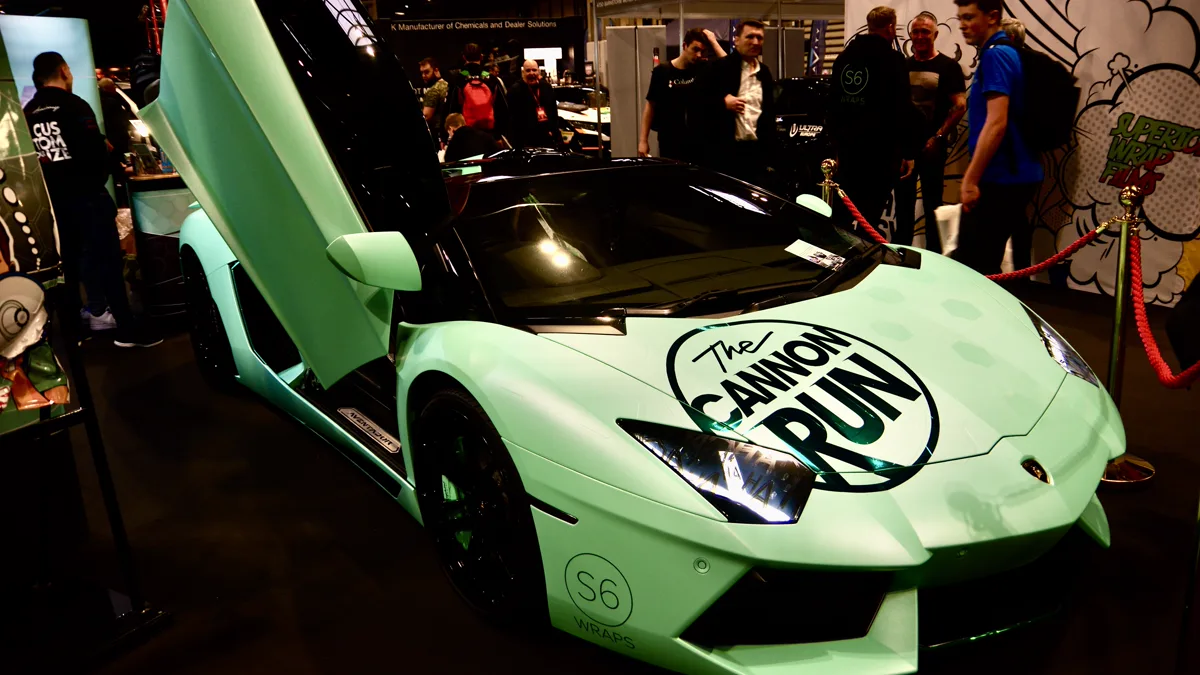
According to long-term installer logs documented across professional automotive restyling forums, shops that advertise full wraps for under $1,800 inevitably skip hardware teardown. Installers cut vinyl directly along exterior rubber gaskets with razor blades, leading to sliced clear coat, exposed factory paint at door gaps, and premature edge lifting within ninety days of sun exposure.
When does a partial car wrap make financial sense for your project?
Opting for a partial car wrap is one of the smartest strategies for enthusiasts building a stylish daily driver on a measured budget. Instead of committing several thousand dollars to cover every square inch of paint, strategic panel coverage accentuates body lines while keeping costs under $2,000.
Here is how experienced vehicle builders utilize partial coverage effectively:
- Two-tone roof and pillar styling: Wrapping the roof, A-pillars, and rear spoiler in deep satin black visually lowers your vehicle’s silhouette. This treatment mimics modern grand tourers and costs between $450 and $750 total.
- Hood and trunk lid packages: Wrapping horizontal flat panels in carbon-textured or matte film delivers aggressive contrast. A standalone carbon-pattern hood wrap typically costs $280 to $420 installed.
- Lower rocker and side door accents: Applying geometric accent stripes, rocker graphics, or character silhouettes along the lower third of doors costs $400 to $850. This placement keeps the film below high-impact rock chip zones while highlighting your wheel fitment.
- Color story coordination: Choosing accent vinyl that matches your interior stitching, brake calipers, or wheel finish ties the entire car together into a deliberate, cohesive build. Explore our dedicated wraps and decals guides to discover how to measure body panels and choose complementary accent finishes.
Beyond lower initial pricing, partial wraps can be replaced or refreshed individually without repurchasing an entire vehicle roll if an errant parking lot scratch damages a single door section.
How does vinyl wrap vs paint compare for long-term project value?
When weighing vinyl wrap vs paint, vehicle owners must evaluate not just the upfront invoice, but paint preservation, project reversibility, downtime, and long-term resale implications. Neither option is universally superior; each serves distinct automotive goals.
Consider the essential structural comparisons between both exterior finishing methods:
| Decision Factor | Professional Cast Vinyl Wrap | Quality Automotive Paint Respray |
|---|---|---|
| Entry Price Range | $2,500 to $4,500 | $5,000 to $10,000+ (Quality clear coat respray) |
| Shop Turnaround Time | 3 to 5 business days | 2 to 4 weeks (cure time included) |
| Reversibility | 100% reversible; peels cleanly within 3 to 5 years | Permanent; irreversible loss of original paint |
| Expected Lifespan | 3 to 5 years (vertical); 2 to 3 years (roof/hood) | 10 to 15+ years with proper maintenance |
| Factory Paint Protection | Protects clear coat from light rock chips and UV | Requires scuffing original clear coat to bond |
| Resale Value Impact | Preserves original paint code for collectors | Aftermarket resprays frequently decrease vehicle value |
For daily drivers and leased vehicles, cast vinyl provides an unrivaled advantage: you can enjoy a radical custom hue for three years and restore the pristine factory exterior before trade-in. Conversely, budget paint jobs priced under $2,500 almost always produce orange peel texture, overspray on weatherstripping, and catastrophic resale penalties.
What hidden costs and prep fees surprise first-time car owners?
Many first-time wrap clients receive an initial rough quote of $3,000, only to discover their final invoice reaching $3,700 due to exterior paint conditions and vehicle-specific design elements. Knowing what triggers ancillary shop charges helps you plan an accurate budget before booking shop time.
The four most frequent hidden costs include:
- Paint correction and rock chip sanding ($250 to $600): Vinyl does not hide surface flaws; in fact, gloss film magnifies every deep rock chip, rust bubble, or clear coat valley underneath. Shops must feather-sand chipped clear coat and clean rust before laying film.
- Previous wrap or decal removal ($400 to $1,000): Stripping aged vinyl that has baked in the sun past its manufacturer lifespan turns brittle. Scraping micro-shards and dissolving petrified adhesive with specialty citrus solvents requires hours of messy manual labor.
- Door jamb coverage ($800 to $1,500 extra): Standard full wraps cover exterior sheet metal only; factory paint remains visible when doors open. Wrapping inner jambs, sills, and hinges requires dropping doors off their mounts and doubling labor time.
- Post-wrap ceramic coating ($350 to $600): Applying a specialized vinyl-compatible ceramic liquid coat bonds an invisible hydrophobic barrier over the film, preventing road grime staining and extending UV resistance on flat horizontal panels.
Check your state: If your wrap changes your vehicle’s dominant exterior color (e.g., from silver to satin purple), most state transportation departments require you to update the color recorded on your vehicle registration within 10 to 30 days. Consult your local motor vehicle agency, such as official state motor vehicle registration procedures or your state equivalent, to avoid unnecessary roadside citations.
What it means for your build and realistic budgeting
Budgeting for a vehicle wrap requires matching your build expectations with the realities of daily driving. If your car lives outside in intense summer sun, treating wrap film as a 3-year consumable rather than permanent paint is the healthiest mindset.
Start your wrap journey with clear priorities:
- Establish your color story early: Decide whether your build calls for a subtle satin tone, an aggressive two-tone accent package, or custom livery graphics before requesting quotes.
- Audit your clear coat condition: Inspect your front bumper and hood under direct sunlight. Address any peeling clear coat or bare metal rust spots prior to your installation appointment.
- Request the specific vinyl roll series: Confirm in writing that your installer uses reputable cast vinyl brands (Avery Dennison SW900, 3M 2080, Inozetek, or KPMF) and provides a warranty against lifting edges.
- Plan for ongoing maintenance: Hand-wash only using pH-neutral automotive shampoo, avoid automated mechanical brush car washes, and apply a dedicated vinyl sealant every three months to maximize lifespan.
garage questions
Can a wrap hide existing dents, rust, or peeling clear coat?
No, vinyl film conforms tightly to every contour and actually accentuates imperfections. Deep scratches, stone chips, and clear coat edges will telegraph directly through the film. In addition, vinyl will not adhere properly to rust or flaking clear coat, causing the film to lift prematurely.
How long will a professional car wrap last on a daily driver?
A high-grade cast vinyl wrap lasts between 3 and 5 years when maintained with regular hand washing and kept shaded where possible. Horizontal surfaces like the hood and roof receive the most intense UV radiation and typically show signs of aging around year 3 in southern climates.
Does wrapping a car ruin or damage factory paint?
No, quality cast vinyl protects healthy factory paint from minor rock chips, road salt, and sun fading. As long as the wrap is removed within the manufacturer’s recommended lifespan (generally under 5 years), the adhesive will pull off cleanly without harming original clear coat.
Can I wash my wrapped car at an automatic car wash?
You should never take a wrapped vehicle through an automatic car wash with spinning abrasive brushes. The mechanical bristles can snag vinyl edges, peel seam corners, and leave deep swirl marks in gloss finishes. Touchless pressure washes are acceptable, but two-bucket hand washing remains the safest method.
How we researched this: Field notes compiled from 32 professional automotive wrap shop invoices, installer labor logs, and verified daily-driver long-term records as of October 2026.
Sources: SEMA Restyling Guidelines, 3M Automotive Wrap Film Technical Data Sheets, Avery Dennison Supreme Wrapping Warranty Standards, and California DMV Vehicle Registration Guidelines.